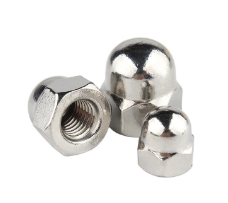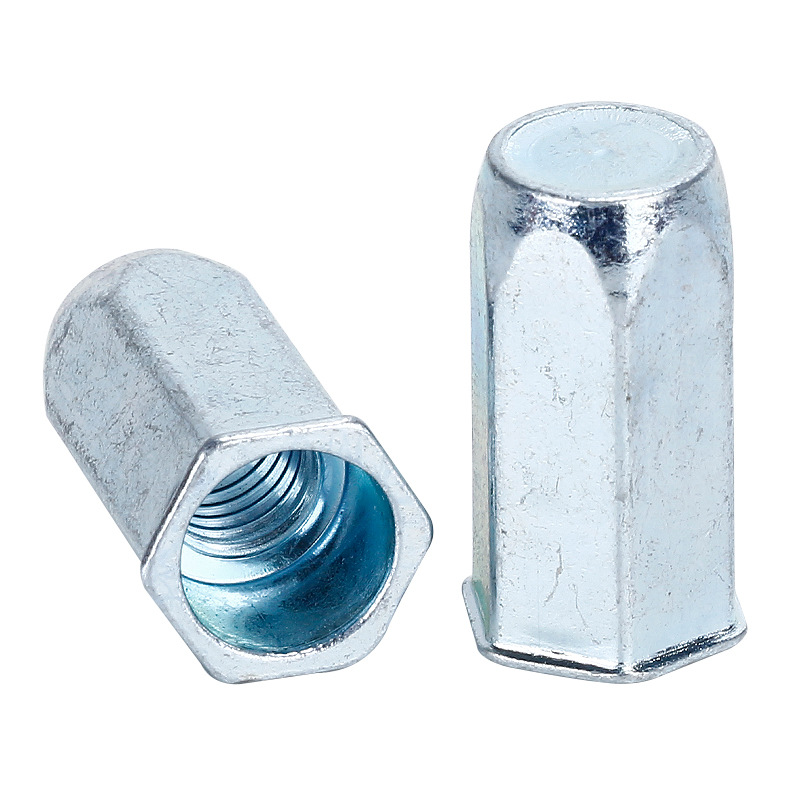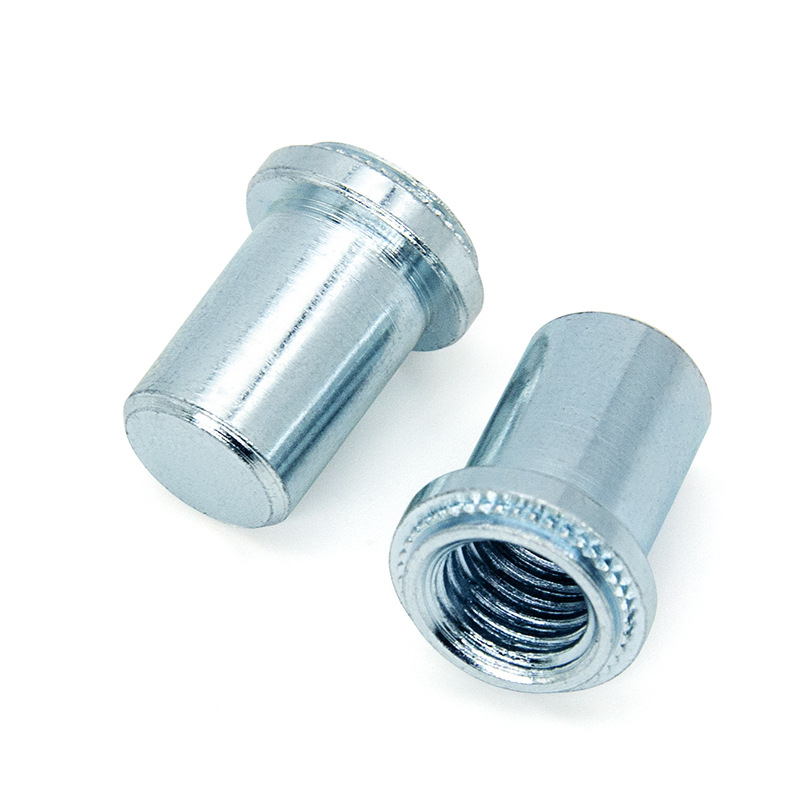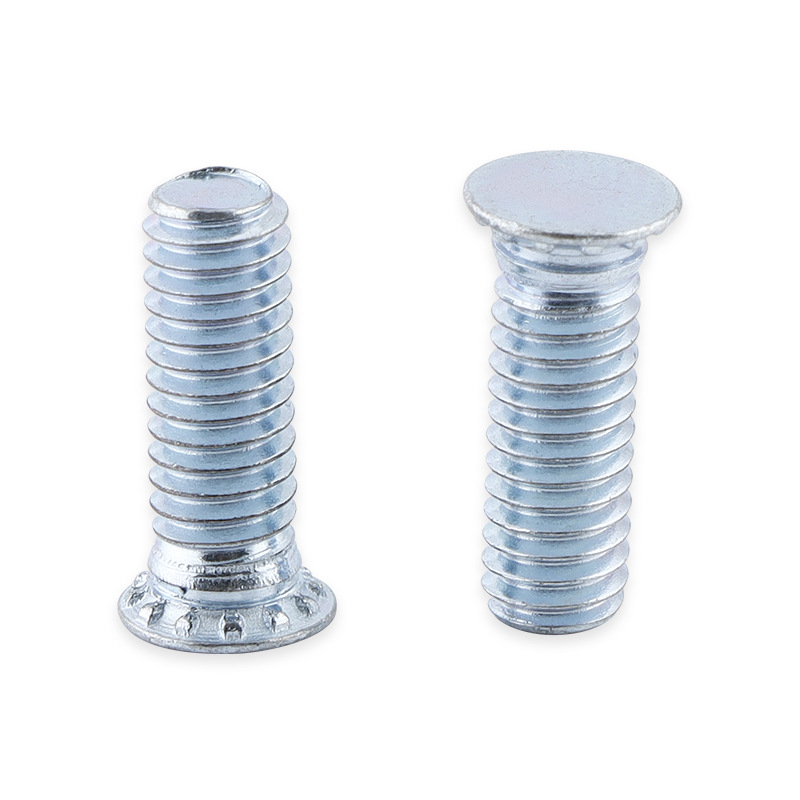
brief introduction
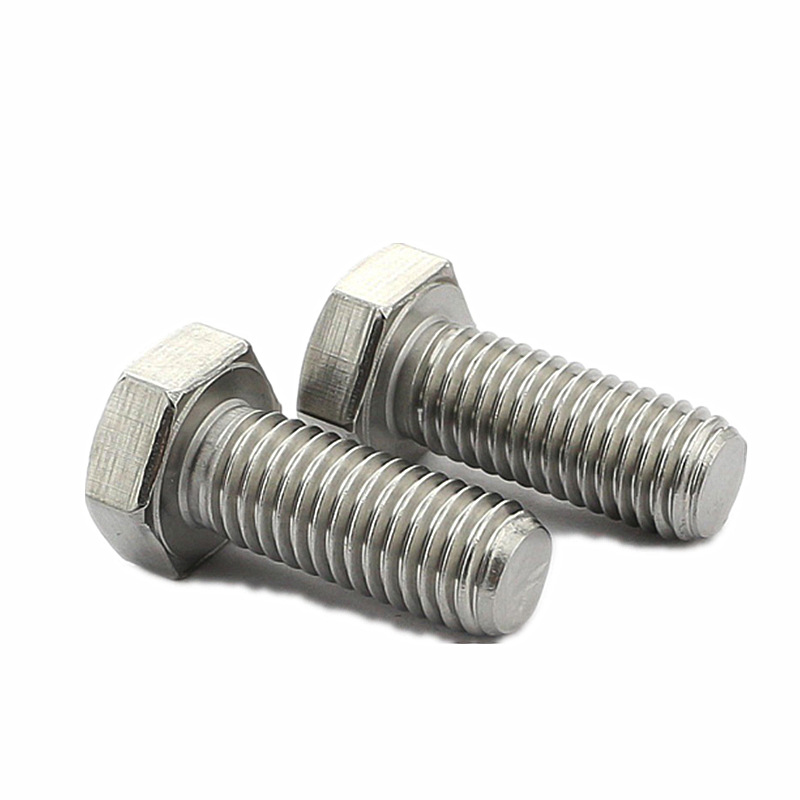
10B21 has good weldability and good cold formability. Often used in cold heading and extrusion. 10B21 cold heading steel, good plasticity, moderate strength, heat treatment effect is obvious.
Chemical composition standard for 10B21
10B21 Chemical composition:
| Item | Element Name and Chemical Composition (%) | |||||
| Carbon (C) | Manganese (Mn) | silicon(Si) | Phosphorus (P) | Sulfur (S) | Boron (B) | |
| 10B21 | 0.18~0.23 | 0.70~1.00 | ≤0.10 | ≤0.020 | ≤0.020 | 0.0008~0.0035 |
| 0.18~0.23 | 0.70~1.00 | ≤0.10 | ≤0.030 | ≤0.035 | ≥0.0005 | |
| 0.18~0.23 | 0.60~0.90 | / | ≤0.04 | ≤0.05 | 0.0005~0.003 | |
| 0.18~0.23 | 0.60~0.90 | / | ≤0.03 | ≤0.05 | 0.0005~0.003 | |
0B21 Physical properties of wire
The elongation after breakage was A/% : 34.5
Tensile strength (MPa) : 489
The cross-sectional shrinkage rate was Z/% : 69
Cold top forging: 1/2 qualified
Total decarbonized layer (mm) : 0.02
Hardness: HRB75
The application field of 10B21
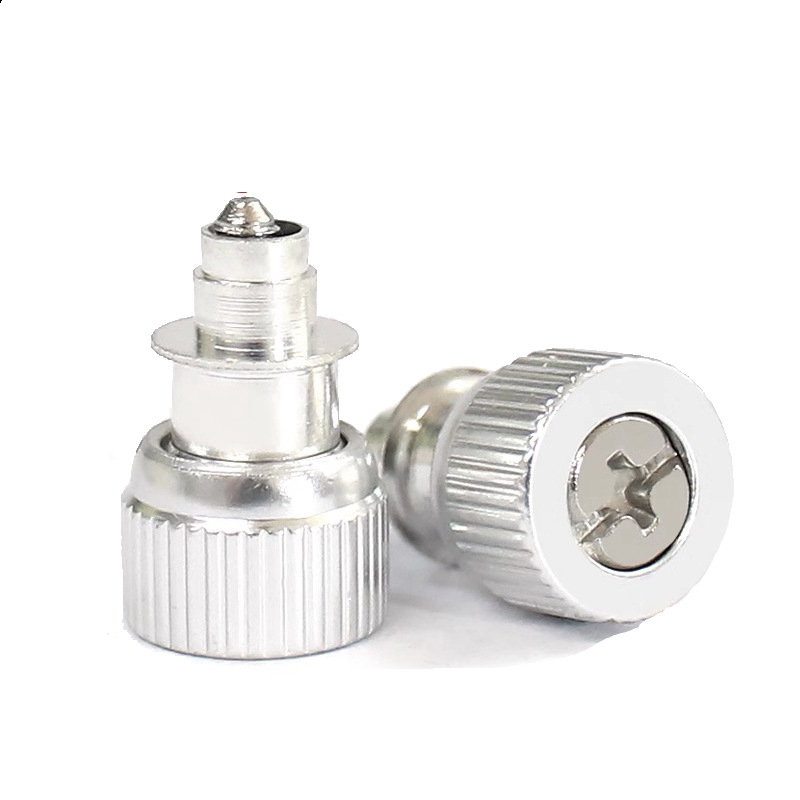
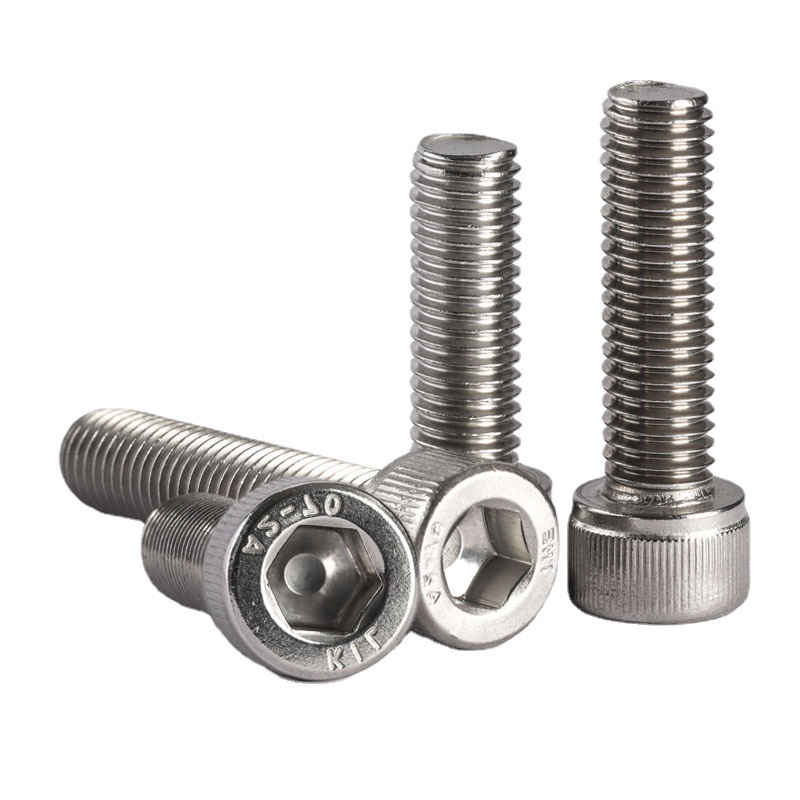
Due to its low carbon content and reasonable composition ratio, 10B21 steel has high strength and good plasticity, and is widely used in automobile manufacturing, machinery manufacturing, building structure and other fields. In automobile manufacturing, 10B21 steel is often used in the manufacture of body structure and chassis parts to improve the safety performance of automobiles. In mechanical manufacturing, 10B21 steel can make a variety of parts, such as fasteners, 10B21 also has more applications in construction.
Processing performance of 10B21
Cold heading:
Carbon C, silicon Si: C element, as the main element determining mechanical properties, the strength increases with the increase of C content, and the cold heading property decreases. Si, can improve the strength and hardness of steel, reduce its plasticity and toughness. The cold heading property of cold heading steel decreases with the increase of silicon content.
10B21, in the chemical composition system, the C content is 0.18%~0.23%, and the Si content is less than 0.10%. Can have: low hardness, good plasticity, easy deformation and other characteristics.
Manganese Mn: Mn, which plays a role in solid solution strengthening in steel. For cold heading steel, high Mn content will greatly increase the strength of steel, which is not conducive to the cold forming of steel; The Mn content of 10B21 was less than 1.00%. Appropriate Mn content can not only improve the existing form and distribution of steel, but also improve the cold formability of steel.
In addition, in order to make the material better adapt to the cold heading process, there should be certain requirements for the grain size and form, the distribution of non-metallic inclusions, etc.
Weldability:
The main factors affecting the weldability of steel are: chemical composition. Among the various elements, the influence of carbon is the most obvious, and the influence of other elements can be converted into the influence of carbon. Therefore, the carbon equivalent method can be used to estimate the weldability of welded steel.
With the increase of carbon content in steel, the hardening tendency increases, and the plasticity decreases, which is easy to produce welding cracks. The relationship between carbon content and weldability can be seen in the table below.
10B21, as a high quality low carbon steel has good welding performance.