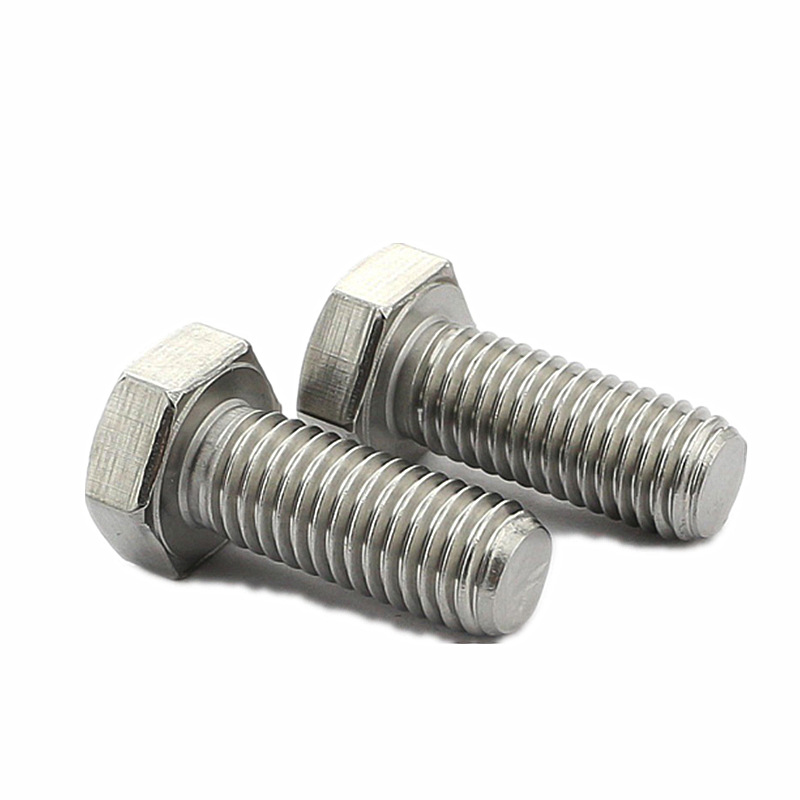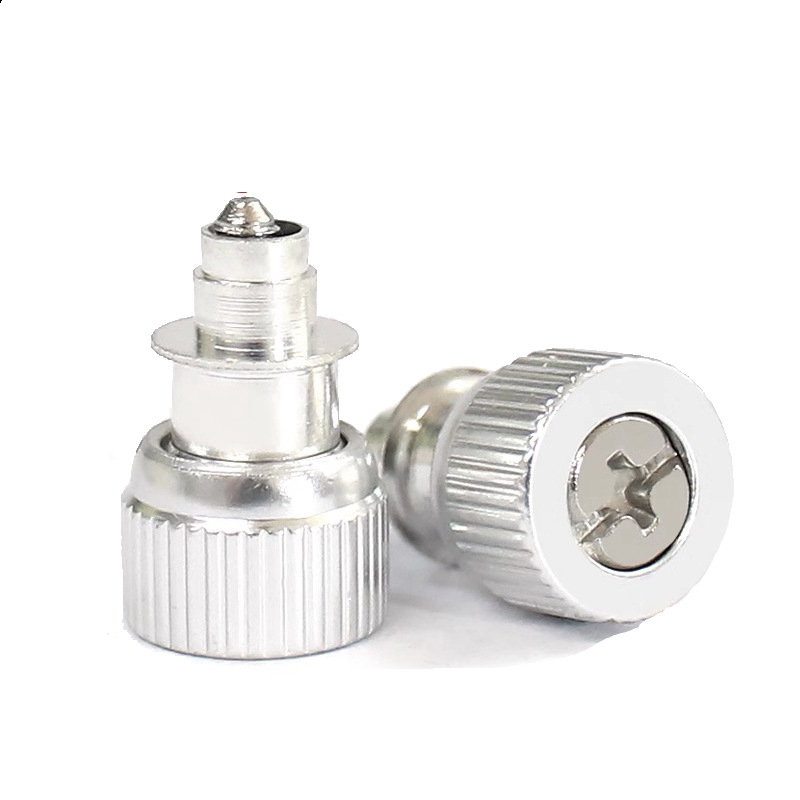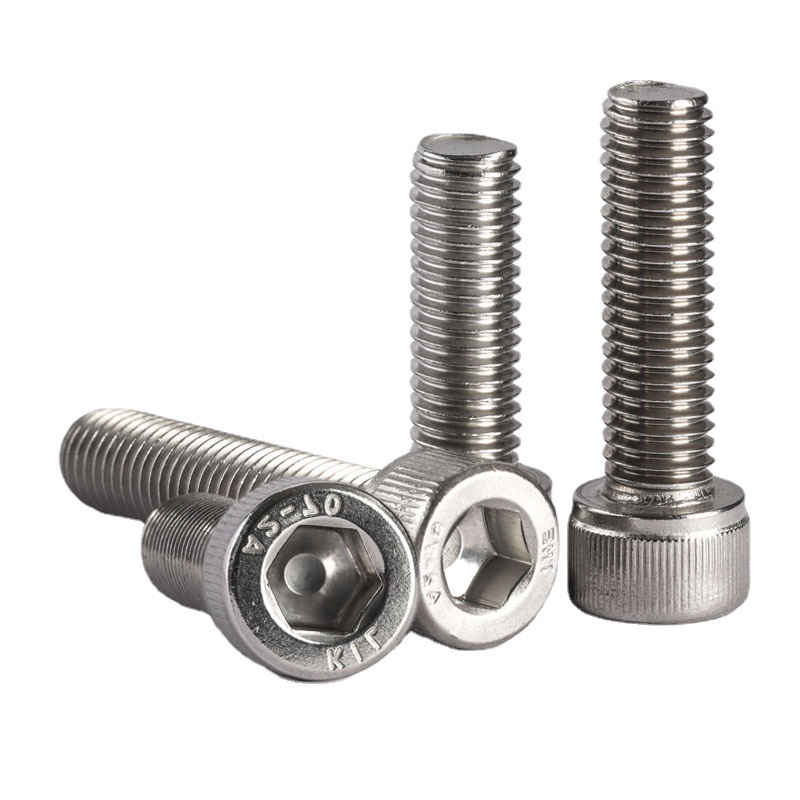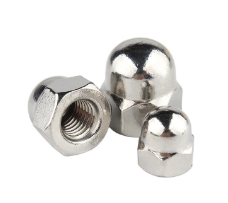
EElectro galvanizing—also known as zinc electroplating—is one of the most widely adopted surface finishing technologies.This article provides a professional, in-depth analysis of the complete electro galvanizing process—from pre-treatment through to post-treatment—along with a detailed examination of rust prevention mechanisms and salt spray improvement strategies.
1. Introduction: The Critical Role of Electro Galvanizing in Fastener Protection
Electro galvanizing—also known as zinc electroplating—is one of the most widely adopted surface finishing technologies in the fastener industry. It provides a cost-effective, sacrificial corrosion-resistant coating that protects steel substrates from rust while delivering an attractive, functional surface finish. For bolts, screws, nuts, and other fasteners, electro galvanizing is often the first line of defense against environmental corrosion.
2. Rust Prevention Mechanism: How Zinc Protects Steel
2.1 The Sacrificial Protection Principle
Zinc provides corrosion protection through two mechanisms:
1. Barrier Protection — The zinc coating physically isolates the steel substrate from corrosive environments.
2. Sacrificial (Galvanic) Protection — Because zinc is less noble (more electrochemically active) than steel, it corrodes preferentially. The zinc coating acts as a sacrificial anode, corroding before the base metal and significantly extending the part’s lifespan.
As long as the steel substrate remains covered with a continuous zinc layer, the base metal remains unaffected.
2.2 Factors Affecting Rust Prevention
The effectiveness of rust prevention depends on:
-
Coating thickness — Thicker coatings provide longer protection
-
Passivation quality — Proper passivation significantly extends salt spray resistance
-
Environmental conditions — More aggressive environments consume the zinc coating faster
-
Coating uniformity — Thin spots or pinholes reduce overall protection
3. Salt Spray Improvement Strategies: How to Achieve 200+ Hours
3.1 Optimize Passivation Chemistry
The most effective way to improve salt spray performance is through passivation optimization:
Thick-Film Passivation: Thick-film passivates (200+ nm) are designed to provide greater than 200 hours of resistance to white corrosion in neutral salt spray testing–.
Trivalent Chromium Passivation: As an alternative to hexavalent chromium (which faces increasing regulatory restrictions), trivalent chromium passivation can achieve excellent salt spray results when properly optimized. Studies have shown that optimal corrosion resistance is achieved with medium sodium silicate concentrations (e.g., 6 mL/L) and passivation times of approximately 30 seconds–.
Sealers and Topcoats: Applying a special sealer after passivation can extend salt spray resistance to 200+ hours–. However, this significantly increases cost—typically 5 to 8 times standard zinc plating
3.2 Increase Coating Thickness
Salt spray resistance is directly proportional to coating thickness:
-
Standard electro galvanizing: 5–12 µm → 24–72 hours–
-
Increased thickness: 13+ µm → 120+ hours–
For demanding applications requiring 120 hours of salt spray resistance, a plating thickness of 13 microns with zinc chromate passivation is typically specified
3.3 Maintain Process Parameters Rigorously
Salt spray failures are often traced to poor process control:
| Parameter | Target Range | Impact on Salt Spray |
|---|---|---|
| Passivation bath temperature | 60°C– | Too low → poor film formation |
| Passivation bath pH | ~1.9– | Too high/lower → reduced corrosion resistance |
| Rinse water quality | Low conductivity | Contaminated rinse → staining and reduced performance |
| Drying temperature | 60–80°C | Incomplete drying → water spots and reduced adhesion |
3.4 Choose the Right Plating Chemistry
The composition of the electroplating bath directly affects coating quality. For a chloride-based zinc plating system, typical bath parameters include
| Component | Concentration |
|---|---|
| Zinc chloride | 70–90 g/L |
| Ammonium chloride | 160–200 g/L |
| Brightener | As per supplier recommendation |
| Softener | As per supplier recommendation |
4. Summary and Recommendations
Electro galvanizing remains the most widely used surface finishing technology for precision fasteners due to its cost-effectiveness, excellent corrosion protection, and attractive appearance. The complete procedure—pre-treatment → electroplating → post-treatment—requires rigorous process control at every stage to achieve consistent quality.