1. Overview of the Zinc Electroplating Process
The complete zinc plating process can be divided into three main stages–:
-
Pre-treatment — Removing rust, scale, grease, and oil from the substrate surface
-
Electroplating — Forming a zinc film on the surface through electrochemical deposition
-
Post-treatment (Finishing) — Passivation, rinsing, and drying to meet quality requirements
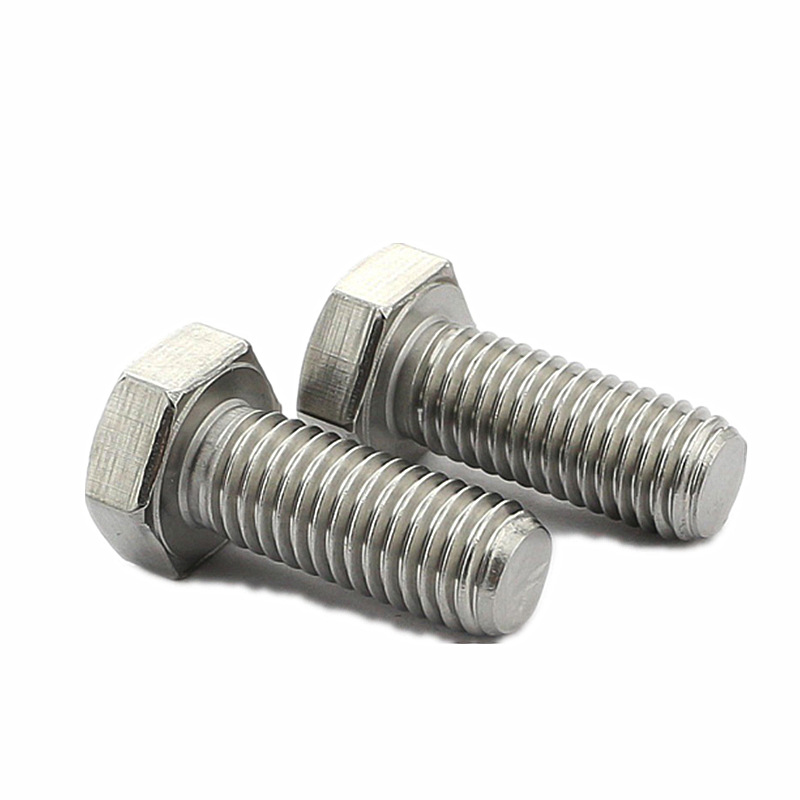
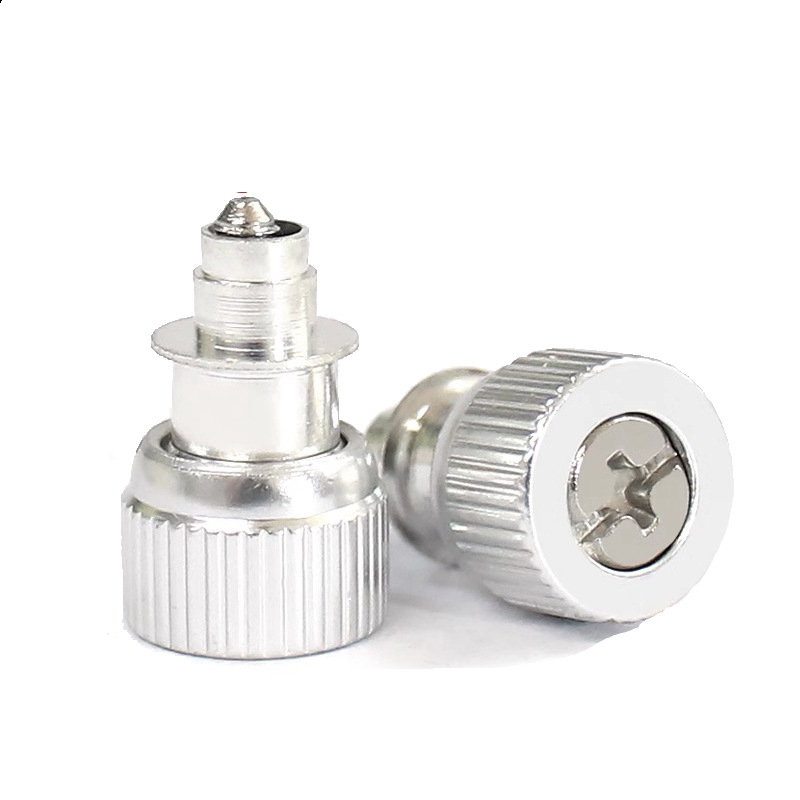
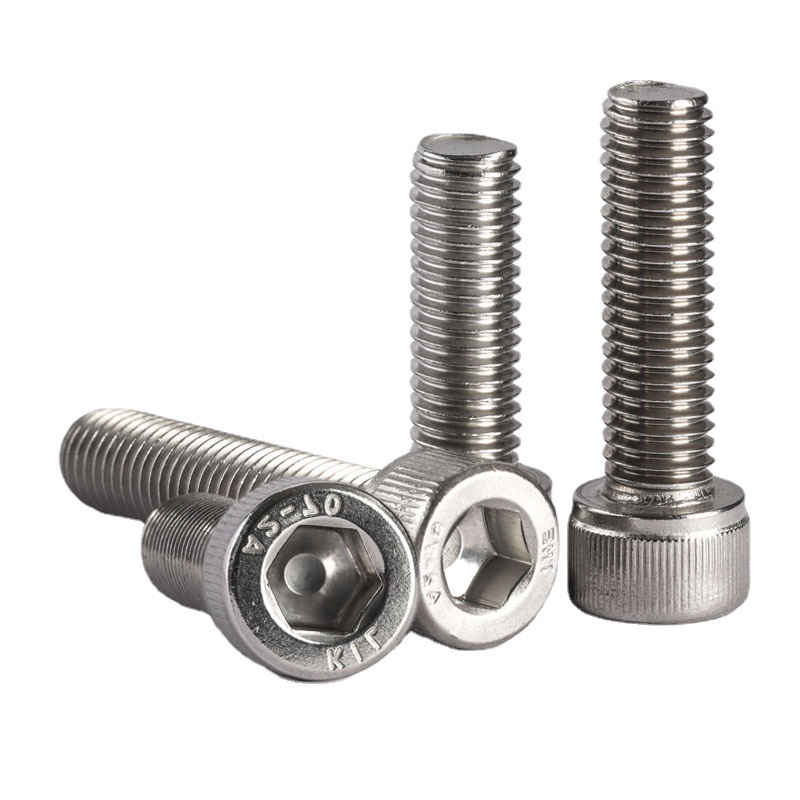
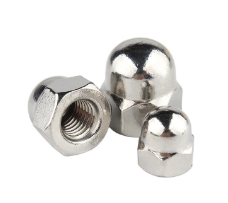
This guide follows the industrial workflow commonly used in automated barrel plating lines for bolts, screws, nuts, and other fasteners
2. Pre-treatment: Preparing the Surface for Plating
Pre-treatment is arguably the most critical phase of the entire zinc plating process. The quality of the final plated coating depends entirely on how clean and activated the substrate surface is before electroplating begins. Contaminants such as oils, greases, rust, and scale will prevent proper adhesion and result in poor plating quality
2.1 Hot Degreasing (Thermal Degreasing)
The first step in pre-treatment is hot degreasing, which removes oils, greases, and other organic contaminants from the workpiece surface.
-
Bath composition: Hot degreaser (alkaline detergent) and caustic soda (sodium hydroxide)-1
-
Operating temperature: 60°C to 85°C
-
Maintenance: The bath is typically cleaned and rebuilt weekly
The hot degreasing bath works by saponifying oils and emulsifying greases, allowing them to be washed away. Proper oil-water separation is essential — operators must continuously remove impurities and floating oil from the bath surface
2.2 Pickling (Acid Descaling / Rust Removal)
After degreasing, the workpieces are transferred to the pickling (acid descaling) bath–. Pickling removes rust, mill scale, and inorganic contaminants from the steel surface using hydrochloric acid
-
Chemical: Hydrochloric acid (HCl)
-
Inhibitor: 0.1–0.2% acid inhibitor is added to prevent excessive attack on the base metal
-
Maintenance: The bath is cleaned and rebuilt weekly; water and acid are replenished daily
The pickling process activates the steel surface, making it receptive to the subsequent electroplating step–. When the line is shut down, any workpieces remaining in the pickling bath must be removed and placed in a water rinse tank to prevent over-pickling
2.3 Electrolytic Degreasing (Electro-cleaning)
Following pickling, the workpieces undergo electrolytic degreasing, which uses electrical current to enhance the cleaning process.
-
Bath composition: Electrolytic degreaser and caustic soda
-
Voltage control: 0–10 volts
-
Operating temperature: 15°C to 60°C
-
Maintenance: Degreaser and caustic soda are added every two days
Electrolytic degreasing works by generating hydrogen and oxygen gas bubbles at the workpiece surface, which mechanically scrub away any remaining contaminants. This step ensures that the surface is microscopically clean before plating.
2.4 Activation (Acid Activation)
The final pre-treatment step is acid activation, which removes any thin oxide films that may have formed during the previous stages and prepares the surface for optimal zinc deposition.
-
Bath volume: Approximately 400 liters
-
Maintenance: The bath is cleaned and rebuilt daily
This brief acid dip ensures that the steel surface is chemically active and ready to accept the zinc coating.
3. The Electroplating Process
3.1 The Electroplating Bath
The zinc electroplating bath contains the electrolyte solution that carries zinc ions to the workpiece surface–. For a typical barrel plating operation, the bath volume is approximately 14,000 liters with the following composition
| Component | Quantity |
|---|---|
| Ammonium chloride (NH₄Cl) | 2,280 kg |
| Zinc chloride (ZnCl₂) | 1,000 kg |
| Brightener | 50 kg |
| Softener | 400 kg |
3.2 How Electroplating Works
In the electroplating process, the fasteners to be plated are placed in a rotating plastic drum (barrel), submerged in the electrolyte, and given a negative charge (cathode)–. The zinc anodes are connected to the positive terminal–.
When direct current is applied:
-
Zinc ions (Zn²⁺) in the electrolyte migrate toward the cathode (workpieces)
-
At the cathode surface, zinc ions gain electrons and deposit as metallic zinc
-
The zinc anodes dissolve to replenish the zinc ions in the bath
The current also causes partial electrolysis of water into hydrogen and oxygen in the bath–. The entire cycle time for an automated barrel plating line typically ranges from 3 minutes 40 seconds to 4 minutes 20 seconds
4. Post-treatment (Finishing Treatment)
- Acid Activation(Post-plating)
- Passivation(Chromating)
- Hot Water Rinsing
- Drying
- Optional: Hydrogen Embrittlement Relief (De-embrittlement)
5. Summarize
The zinc electroplating process is a multi-stage operation that transforms raw steel fasteners into corrosion-resistant, aesthetically finished components. The complete workflow consists of:
-
Pre-treatment — Hot degreasing → Pickling → Electrolytic degreasing → Activation
-
Electroplating — Zinc deposition in a chloride-based electrolyte bath
-
Post-treatment — Acid activation → Passivation → Hot water rinsing → Drying
Each stage is critical to achieving the final coating quality. Pre-treatment ensures proper adhesion; the plating bath controls coating thickness and appearance; and post-treatment determines corrosion resistance and service life.By following established procedures, maintaining bath chemistry within specified limits, and adhering to international standards such as ISO 2081 and ISO 4042, manufacturers can consistently produce high-quality zinc-plated fasteners that meet the demanding requirements of automotive, construction, electronics, and general industrial applications.