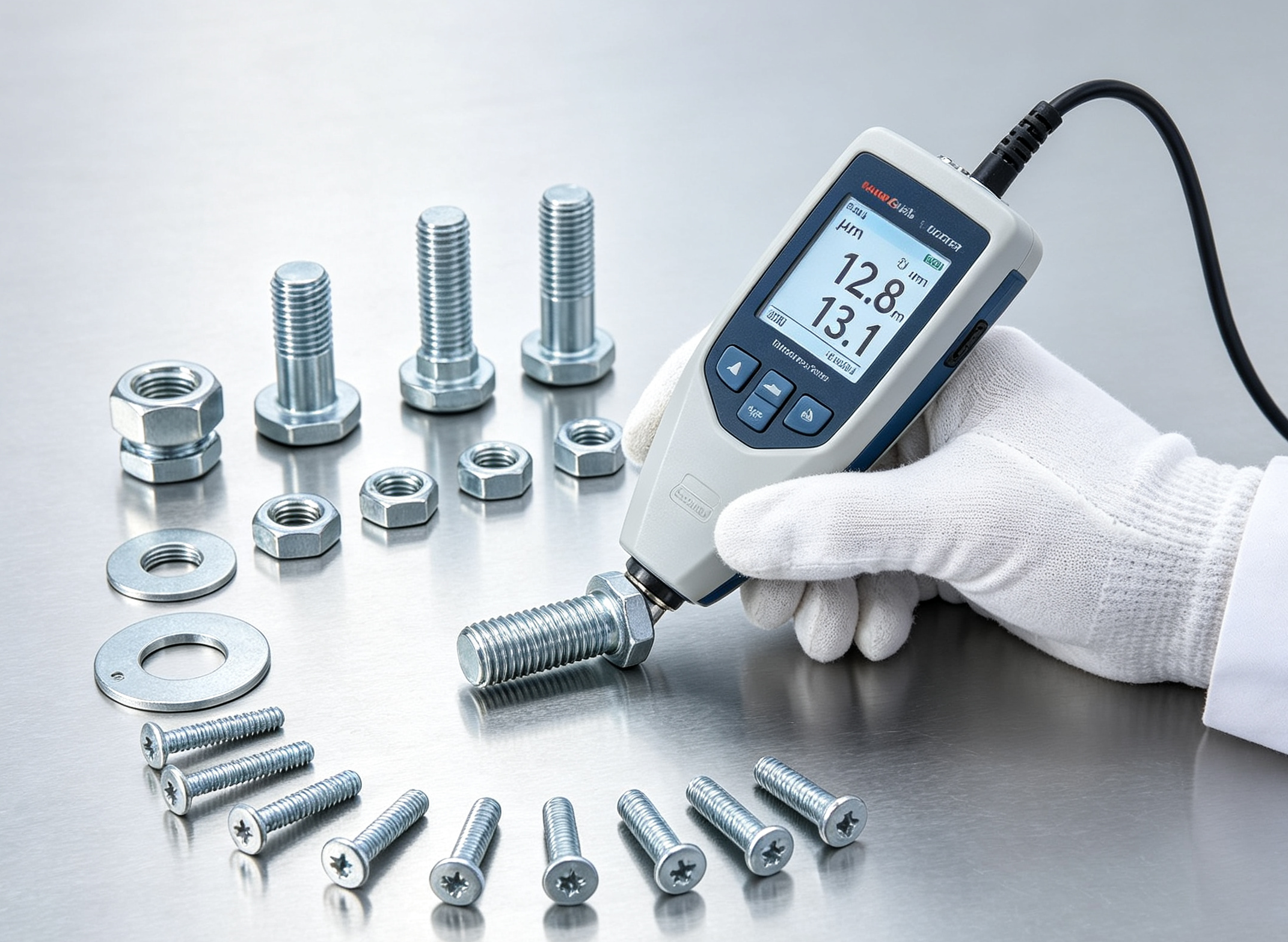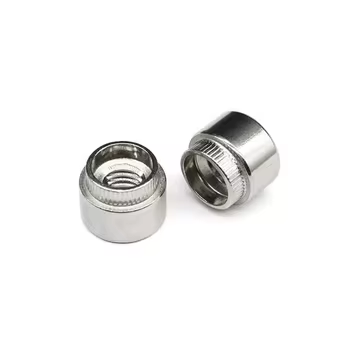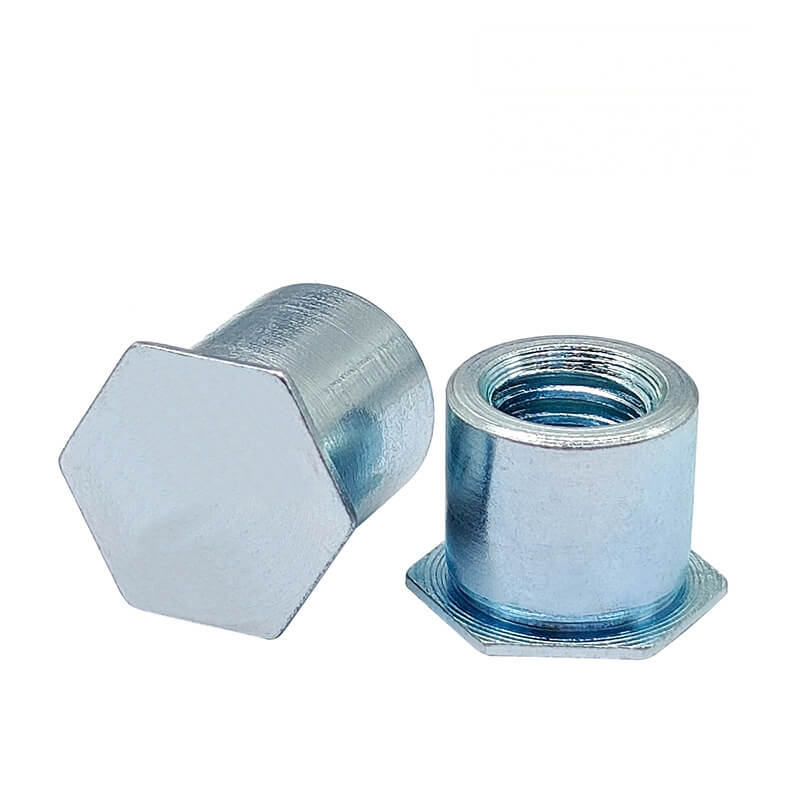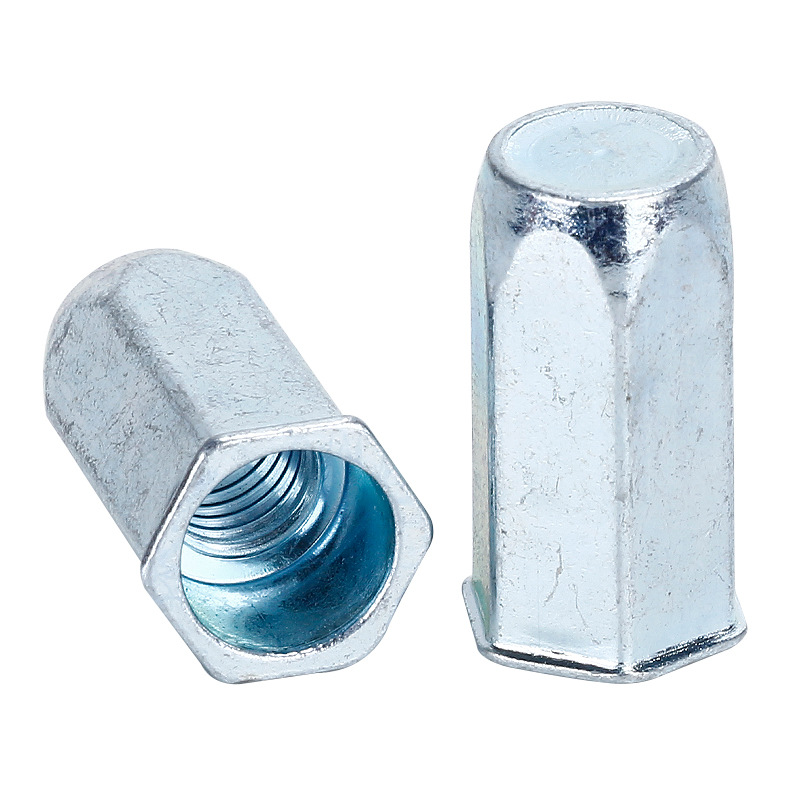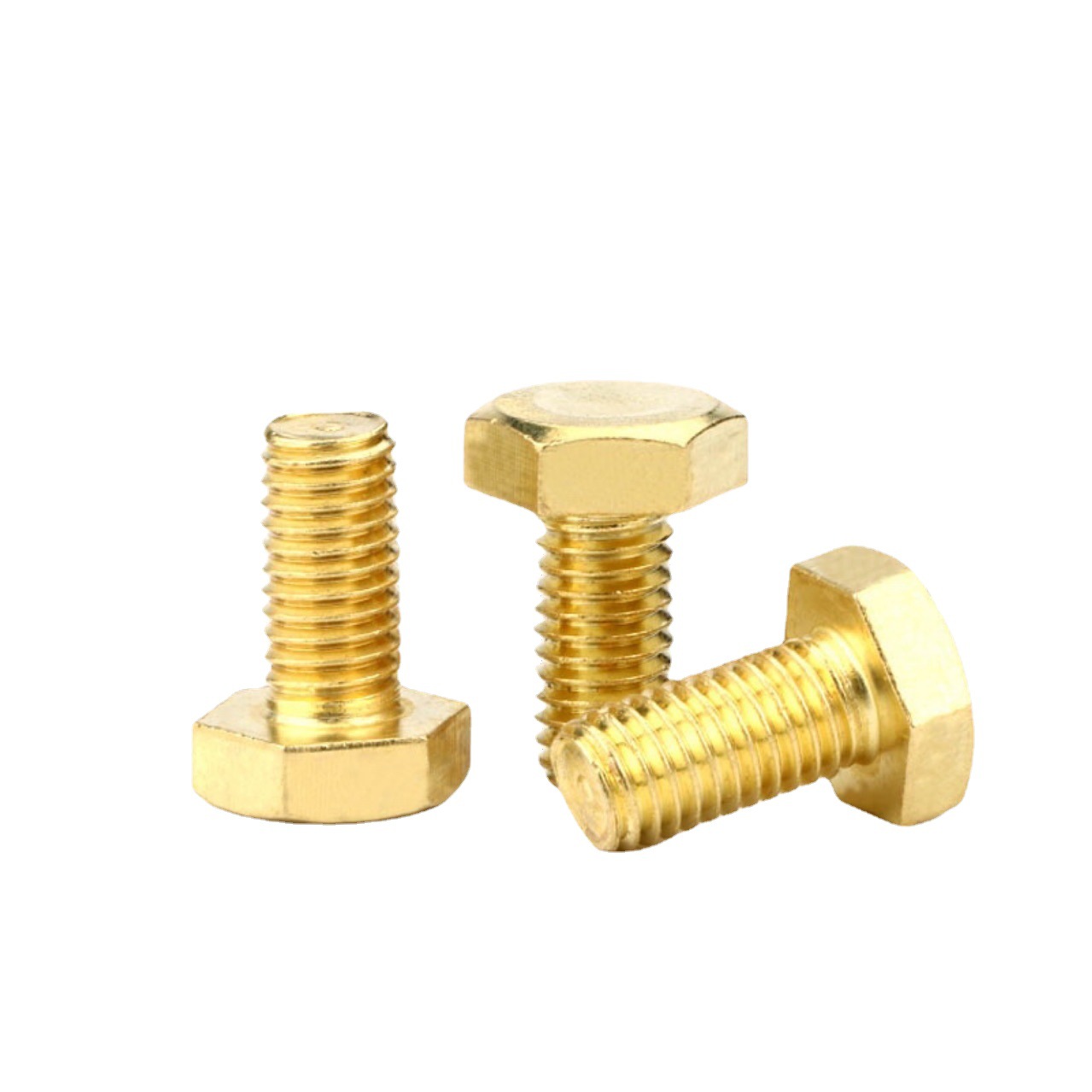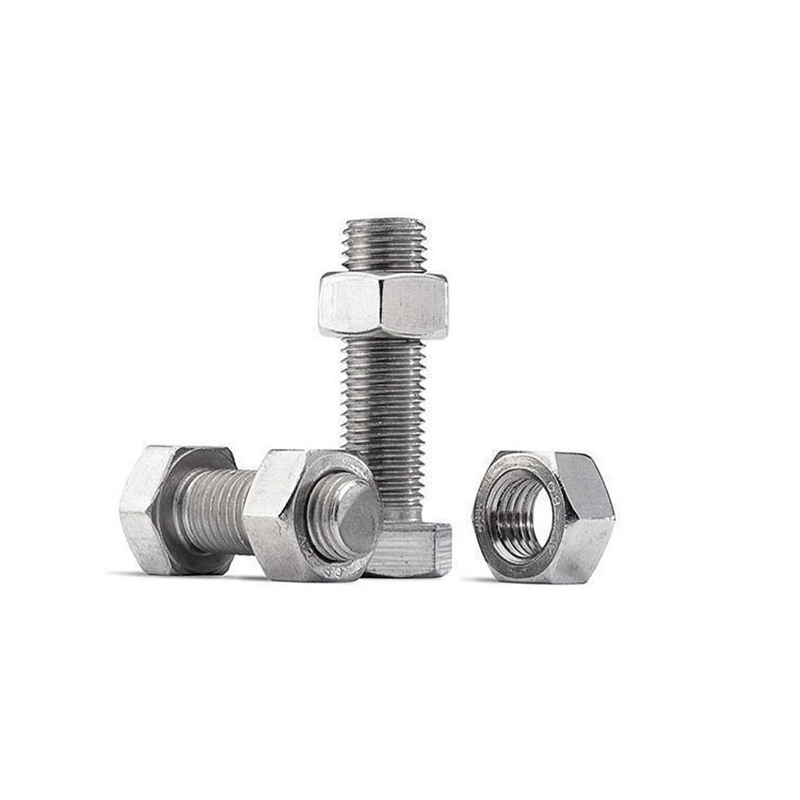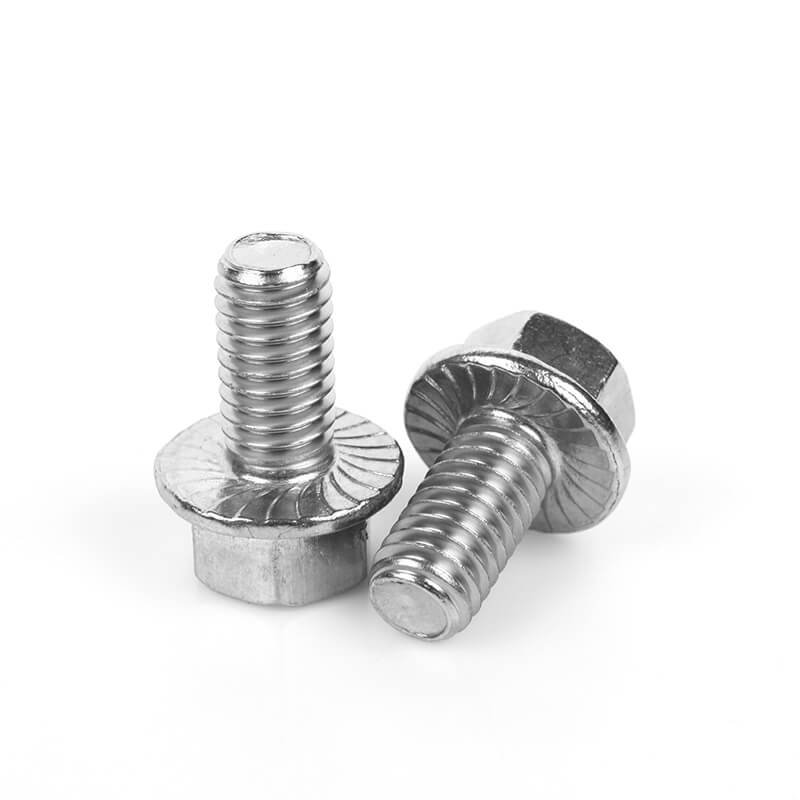
Bolts are a common fastener widely used in machinery, construction, automobiles and other fields. Correct selection and installation of bolts is essential to ensure the operation of equipment. This article will introduce how to correctly select and install bolts.
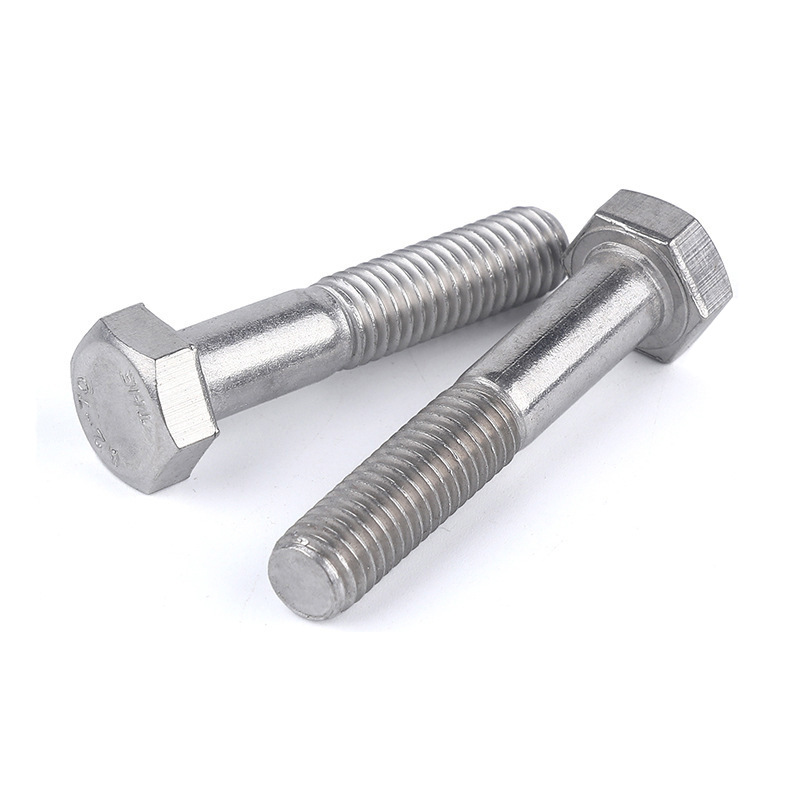
1. Select bolts
- Material selection
The material of the bolts should be selected according to the use environment and requirements. Generally speaking, carbon steel bolts are suitable for general mechanical equipment, stainless steel bolts are suitable for humid and corrosive environments, and high-strength bolts are suitable for occasions with high strength requirements.
- Specification selection
The specifications of the bolts should be selected according to the requirements of the connector. Generally speaking, the diameter and length of the bolts should be selected according to the aperture and thickness of the connector. At the same time, the bearing capacity and preload of the bolts should also be considered to ensure the firmness of the connection.
- Grade selection
The grade of the bolts should be selected according to the use environment and requirements. Generally speaking, the higher the grade of the bolts, the greater the bearing capacity, but the higher the price. Therefore, when selecting the grade of the bolts, comprehensive considerations should be made based on the actual situation.
2. Install the bolts
- Clean the holes
Before installing the bolts, clean the holes of debris, oil, etc. to ensure that the bolts can be embedded in the holes.
- Apply lubricant
Before installing the bolts, apply a layer of lubricant on the bolt threads to reduce the friction of the threads and make it easier for the bolts to be screwed into the holes.
- Screw in the bolts
Insert the bolts into the holes and tighten them with a wrench or torque wrench. When tightening the bolts, the torque should be determined according to the specifications and grades of the bolts to ensure that the preload force of the bolts meets the requirements.
- Check the bolts
After installing the bolts, check whether the bolts are tightened and meet the requirements. If the bolts are found to be loose or do not meet the requirements, they should be adjusted or replaced in time.
In short, the correct selection and installation of bolts is crucial to ensure the operation of the equipment. When selecting bolts, the material, specification and grade should be selected according to the use environment and requirements; when installing bolts, attention should be paid to steps such as cleaning the holes, applying lubricant, screwing in the bolts and checking the bolts to ensure that the preload force of the bolts meets the requirements.