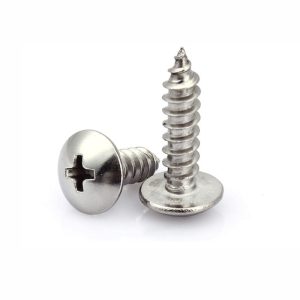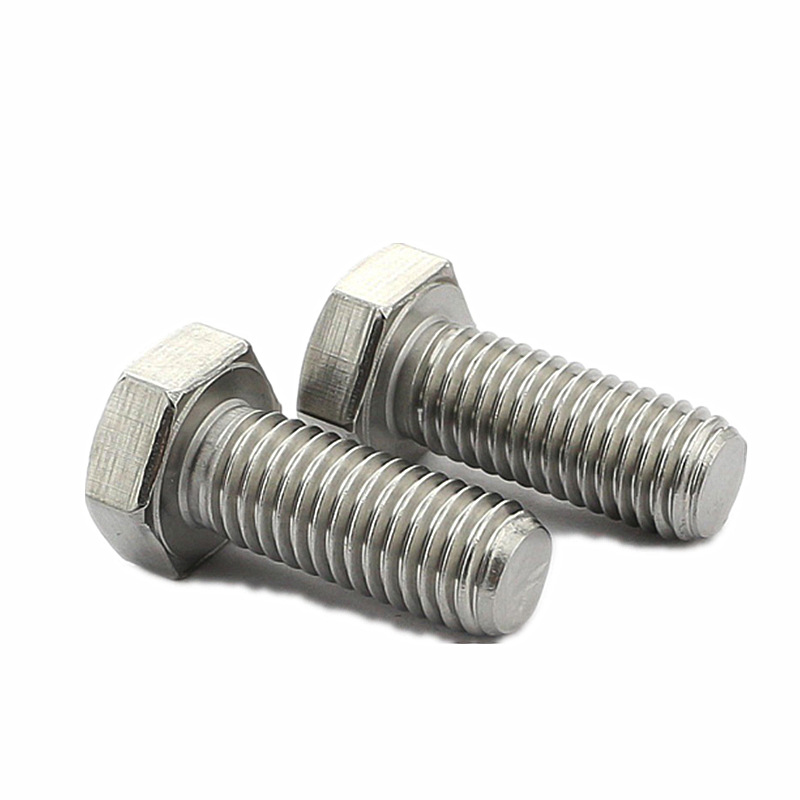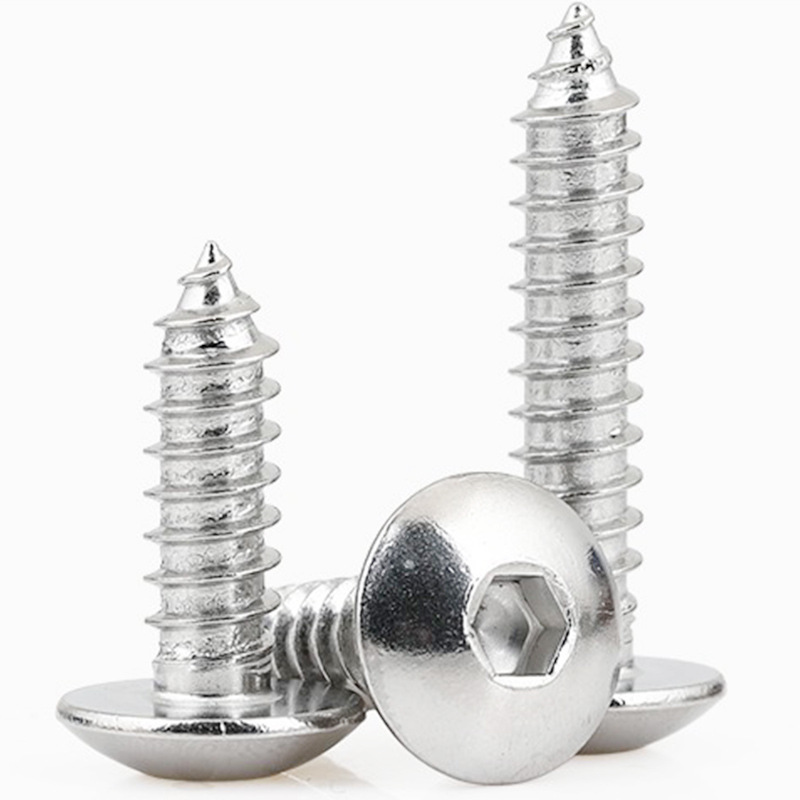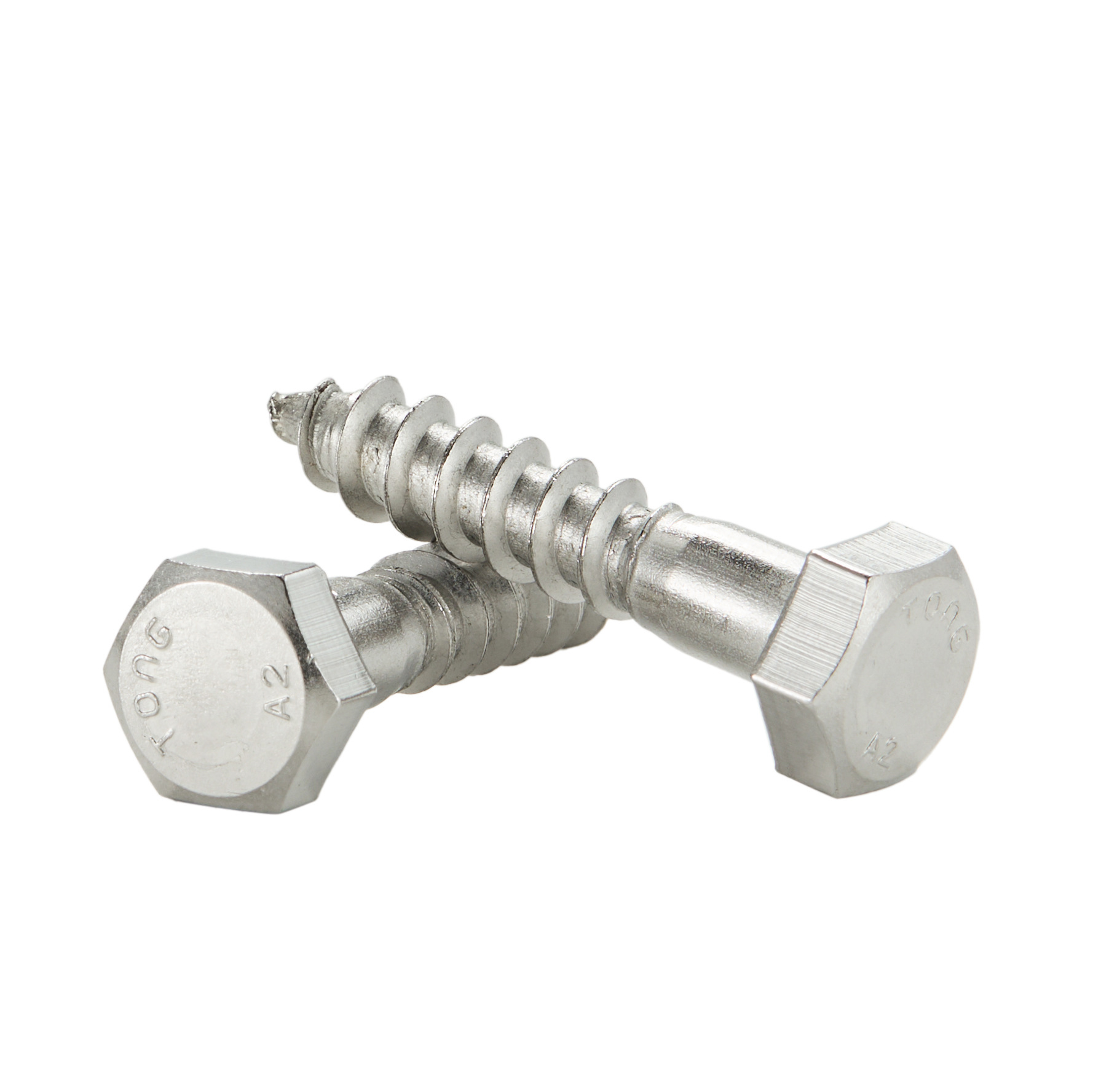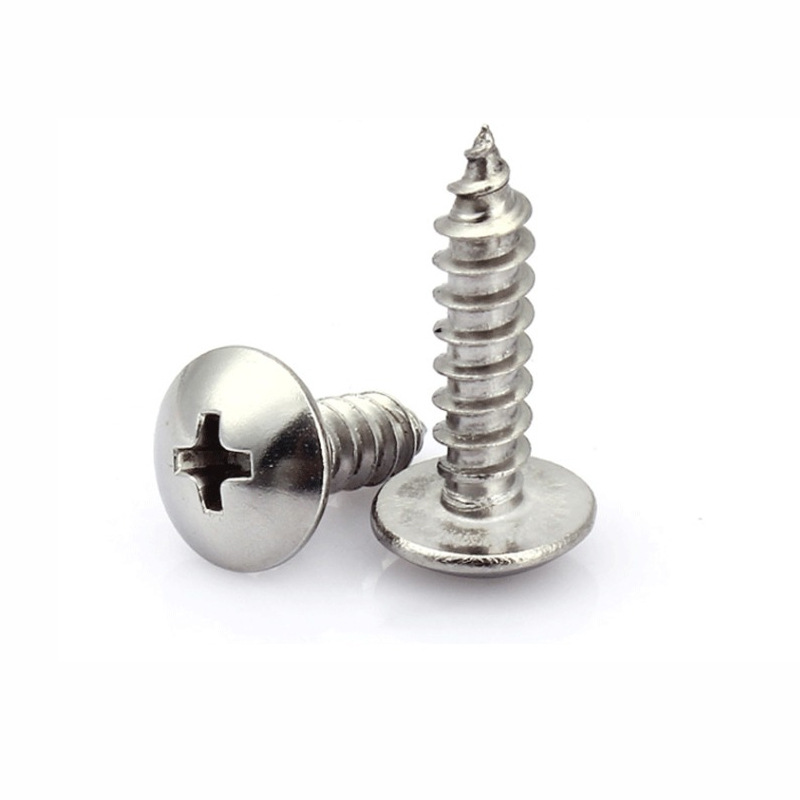
Self-tapping screws are mostly used for connecting thin metal plates (steel plates, sawn plates, etc.). When connecting, first make a threaded bottom hole for the connected parts, and then screw the self-tapping screw into the threaded bottom hole of the connected parts. Since the thread surface of the self-tapping screw has a high hardness (≥HRC45), the internal thread can be tapped in the threaded bottom hole of the connected parts to form a connection. Self-tapping pin tightening screws are also mostly used for connecting thin metal plates. Its thread is a common thread with an arc-shaped triangular cross-section, and the thread surface also has a high hardness. Therefore, when connecting, the screw can also tap the internal thread in the threaded bottom hole of the connected parts to form a connection. This type of screw is characterized by low screw-in torque and high locking performance. It has better working performance than ordinary self-tapping screws and can be used instead of machine screws. Wallboard self-tapping screws are used to connect gypsum wallboards and metal keels. Its thread is a double-headed thread, and the thread surface also has a high hardness (≥HRC53). It can be quickly screwed into the keel without making a prefabricated hole to form a connection. The difference between self-drilling and tapping screws is that ordinary tapping screws must go through two processes: drilling (drilling the bottom hole of the thread) and tapping (including fastening connection) when connecting; while self-drilling and tapping screws combine the two processes of drilling and tapping at one time. It first uses the drill bit in front of the screw to drill, and then uses the screw to tap (including fastening connection), saving construction time and improving construction efficiency. Pan head and hexagonal head tapping screws are suitable for occasions where the drill bit is allowed to be exposed, and hexagonal head tapping screws can withstand larger torque than pan head tapping screws. Countersunk head and hexagonal socket tapping screws are suitable for occasions where the nail head is not allowed to be exposed. Hexagonal socket tapping screws can withstand larger torque than countersunk head tapping screws; semi-countersunk head tapping screws are suitable for occasions where the nail head is allowed to be slightly exposed. When installing and removing self-tapping screws, slotted self-tapping screws require a flat screwdriver, cross-slot self-tapping screws require a cross-shaped screwdriver, hexagon socket self-tapping screws require a hexagon socket wrench, and hexagon head self-tapping screws require a fixed wrench, a plum wrench, a socket wrench or an adjustable wrench. Self-tapping screws are mostly used to connect thin metal plates (steel plates, sawn plates, etc.). When connecting, first make a threaded bottom hole for the connected part, and then screw the self-tapping screw into the threaded bottom hole of the connected part. Since the thread surface of the self-tapping screw has a high hardness (≥HRC45), the internal thread can be tapped in the threaded bottom hole of the connected part to form a connection.
Self-tapping screws are also used to connect thin metal plates. The thread is a common thread with an arc-shaped triangular cross-section, and the thread surface also has a high hardness. Therefore, when connecting, the screw can also tap the internal thread in the thread bottom hole of the connected part to form a connection. This type of screw is characterized by low screw-in torque and high locking performance. It has better working performance than ordinary self-tapping screws and can be used instead of machine screws.
Wallboard self-tapping screws are used to connect gypsum wallboards and metal keels. The thread is a double-start thread, and the thread surface also has a high hardness (≥HRC53). It can be quickly screwed into the keel without making a prefabricated hole to form a connection.
The difference between self-drilling and tapping screws is that ordinary tapping screws need to go through two processes: drilling (drilling the bottom hole of the thread) and tapping (including fastening connection) when connecting; while self-drilling and tapping screws combine the two processes of drilling and tapping at one time. It first uses the drill bit in front of the screw to drill a hole, and then uses the screw to tap (including fastening connection), saving construction time and improving construction efficiency.
Pan head and hexagon head tapping screws are suitable for situations where the drill bit is allowed to be exposed. Hexagon head tapping screws can withstand greater torque than pan head tapping screws. Countersunk head and hexagon socket tapping screws are suitable for situations where the nail head is not allowed to be exposed. Hexagon socket tapping screws can withstand greater torque than countersunk head tapping screws; semi-countersunk head tapping screws are suitable for situations where the nail head is allowed to be slightly exposed. When installing and removing self-tapping screws, slotted tapping screws require a flat screwdriver, cross-slot tapping screws require a cross-shaped screwdriver, hexagon socket tapping screws require a hexagon socket wrench, and hexagon head tapping screws require a fixed wrench, plum wrench, socket wrench or adjustable wrench.