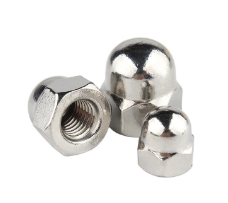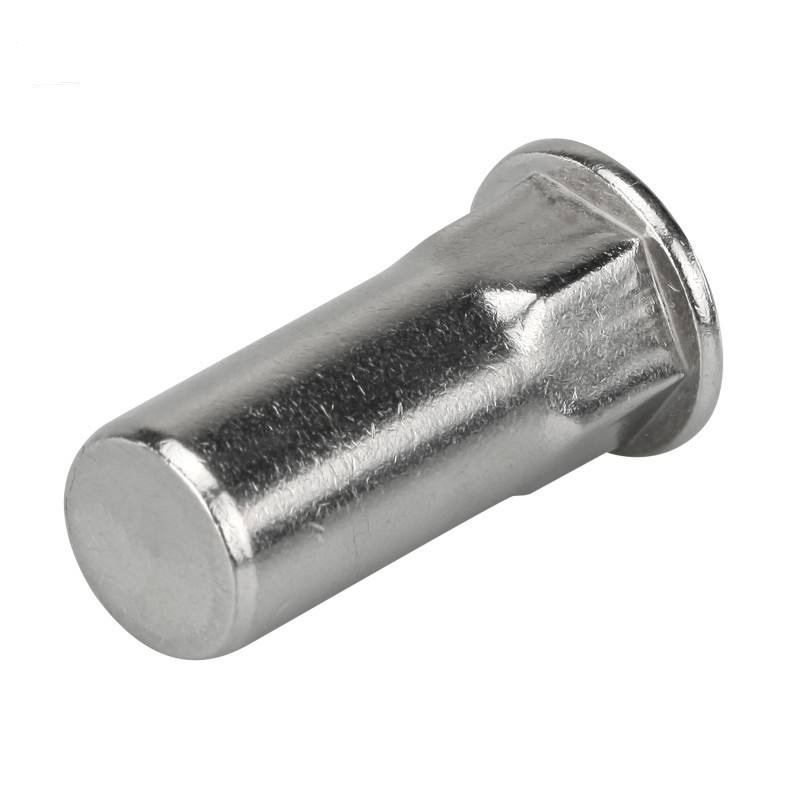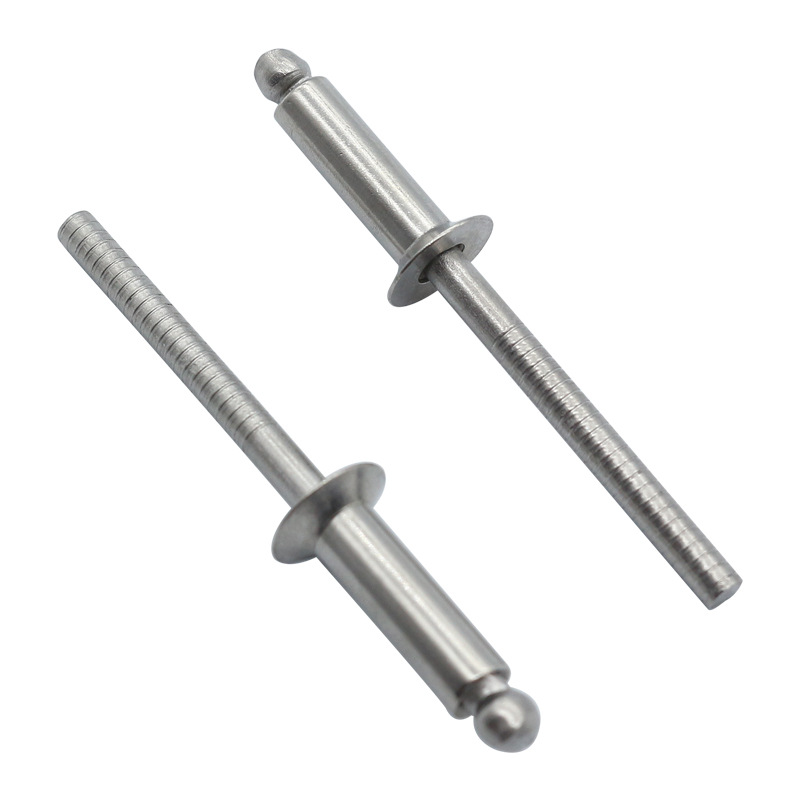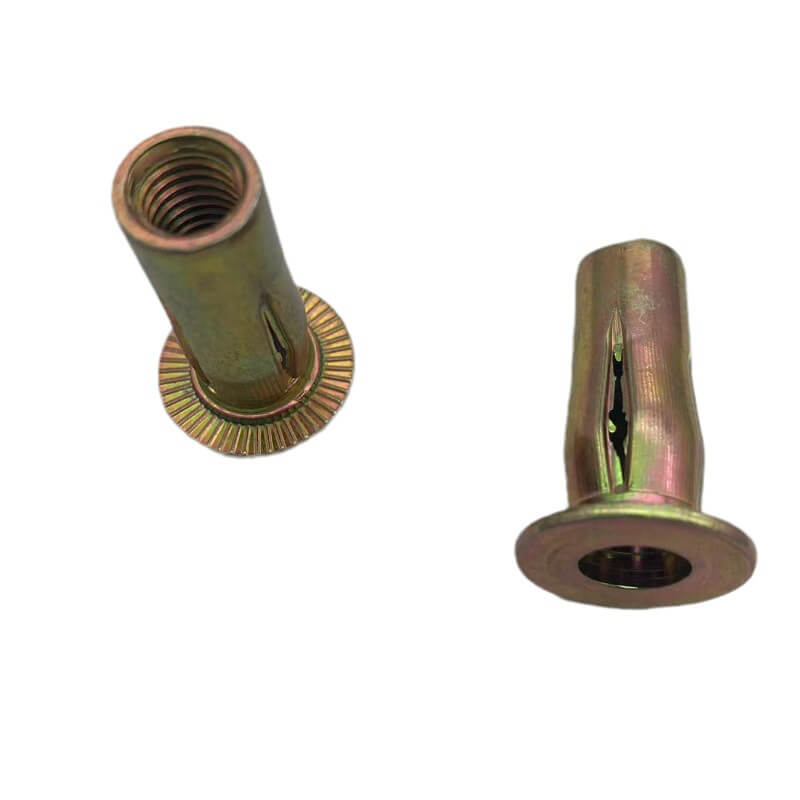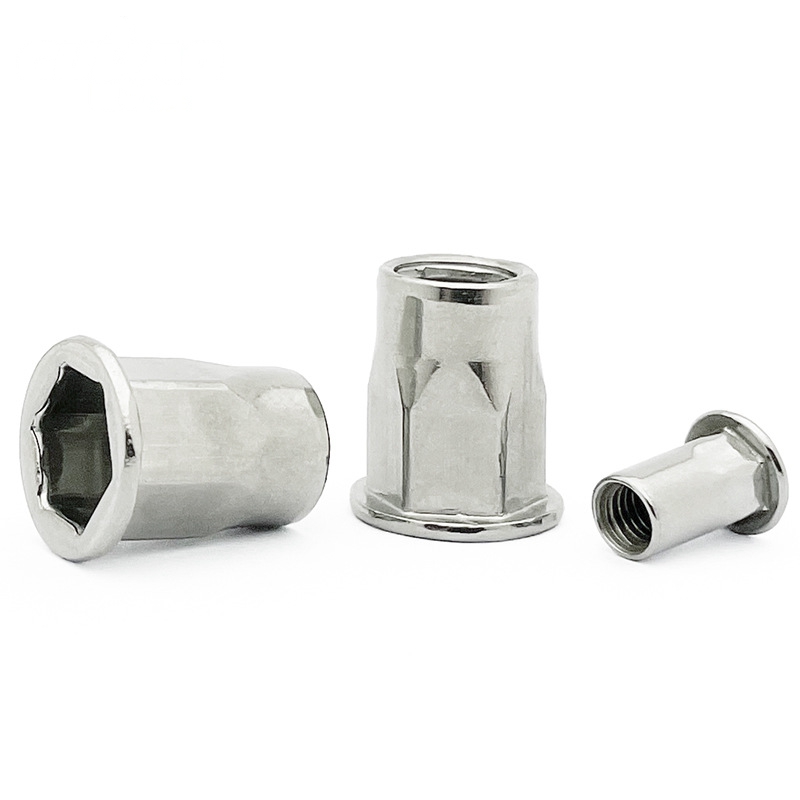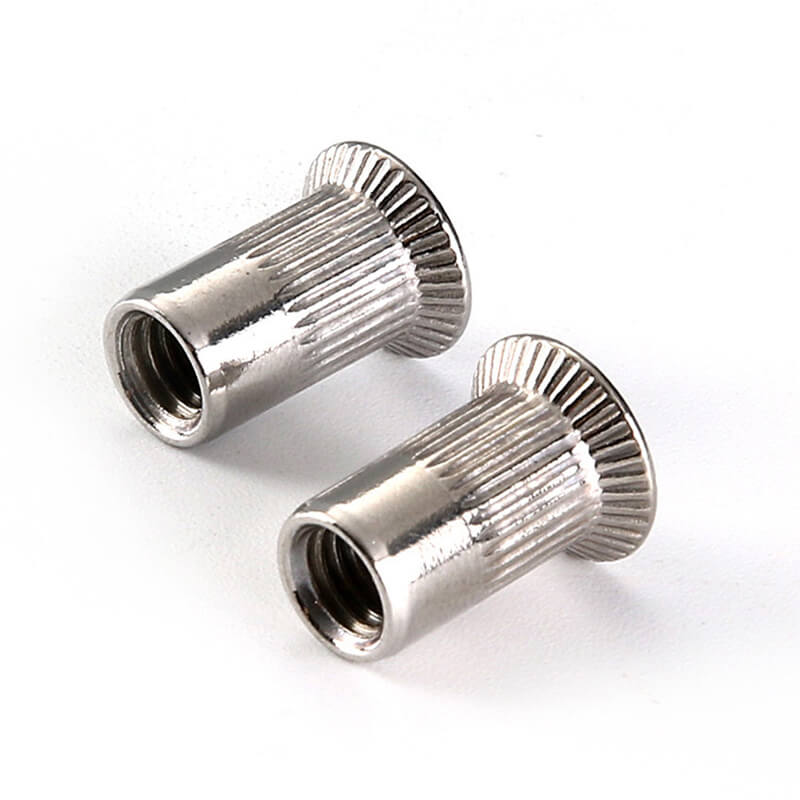
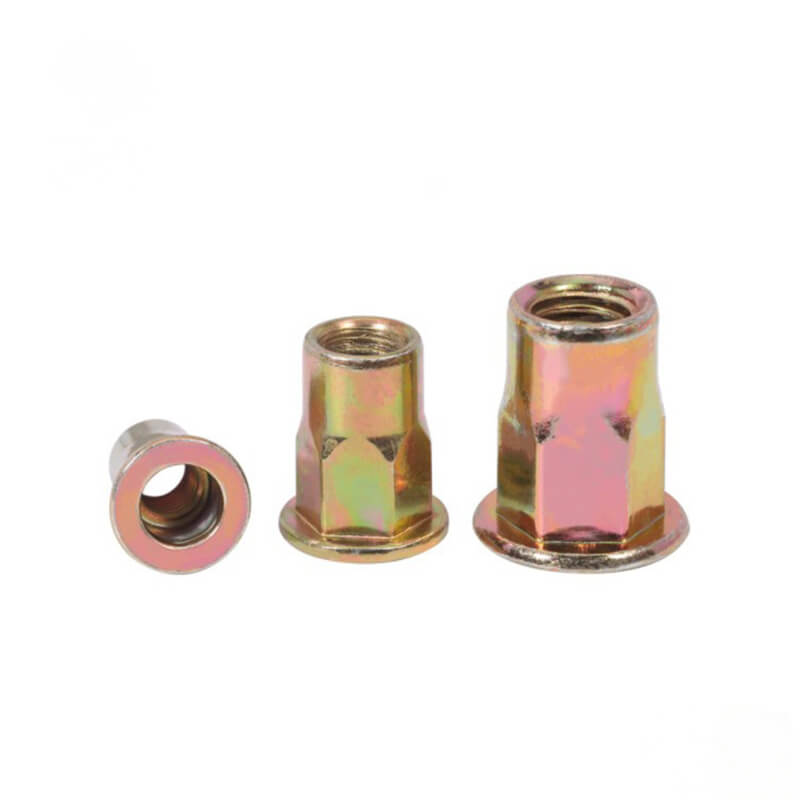
The quality of the rivet nut is very important. Generally, it is used to install various parts on cars, or to install various panels on aviation, and the rivet nuts used inside elevators are used to fix the installation screws. The places where they are usually used are very important connections, which makes the material selection of the rivet nut very important.
What is the rivet nut?
Rivet nuts are used in the fastening of various metal plates, pipes and other manufacturing industries, and are widely used in the assembly of electromechanical and light industrial products such as automobiles, aviation, railways, refrigeration, elevators, switches, instruments, furniture, decorations, etc. They are developed to solve the shortcomings of easy melting of welding nuts on metal sheets and thin tubes, easy welding deformation of base materials, and easy thread slippage when tapping internal threads. It does not require tapping internal threads, does not require welding nuts, has strong riveting efficiency, and is easy to use.
How to use rivet nuts
If the nut of a product needs to be installed outside, and the space inside is too small to allow the pressure head of the riveting machine to enter for riveting, and the methods such as budding cannot meet the strength requirements, then both pressure riveting and expansion riveting are not feasible. Pull riveting must be used. It is suitable for the fastening of plates and pipes of various thicknesses (0.5MM-6MM). Using a pneumatic or manual pull riveting gun can rivet once, which is convenient and firm; it replaces the traditional welded nuts and makes up for the shortcomings of thin metal plates and thin pipes that are easy to melt and welded nuts that are not smooth.
Precautions for using rivet nuts
1. First check whether the gun nozzle screw is assembled correctly. Select the corresponding gun head and rivet bolt according to the size of the rivet nut, and whether the connection parts are firmly connected.
2. Pay attention to the deformation length or displacement of the riveted nut, and then adjust the angle of the operating rod correctly.
3. The scale ring of the rivet nut gun is used to adjust the rivet stroke, which can be adjusted at will according to needs during operation. It is worth noting that: when adjusting the length of the rivet bolt, it is necessary to open the two handles and adjust the gun head sleeve so that the exposed length of the rivet bolt is slightly larger than the length of the rivet nut. Finally, tighten the adjustment nut and the gun body.
4. Open the two handles and pull out all the bakelite, put the corresponding rivet nut on the end of the rivet bolt and pinch it firmly, and push the bakelite to screw on the gun head bolt. Then insert the rivet nut into the pre-drilled hole of the rivet, and then press the two handles hard. At this time, the rivet nut expands to rivet the workpiece, and then pull out the bakelite ball, and the rivet nut will withdraw from the threaded hole. The installation of the rivet nut can be completed.
Note: During the use of the manual rivet nut gun. If the cap is found to be loose, it should be tightened in time. After use, the gun head bolt should be protected and not damaged.