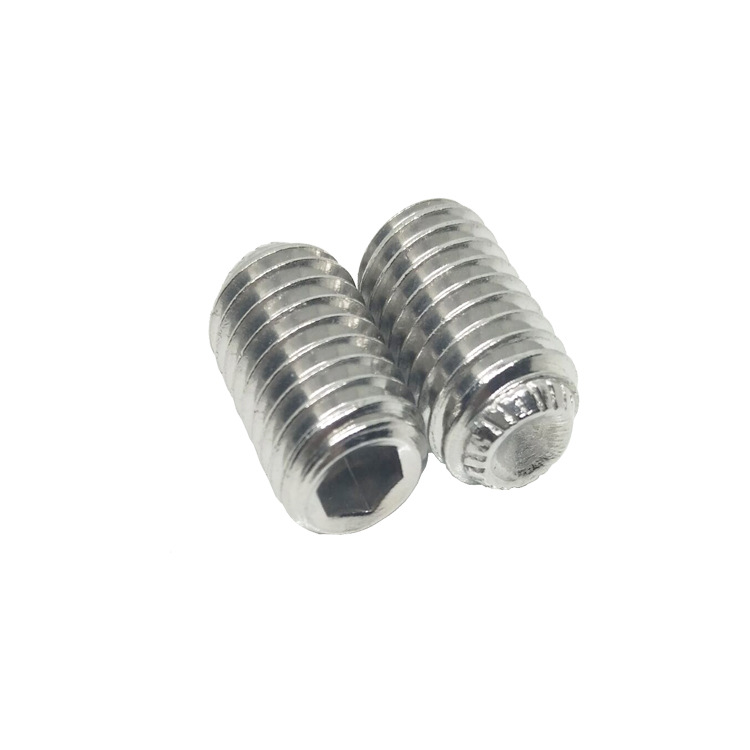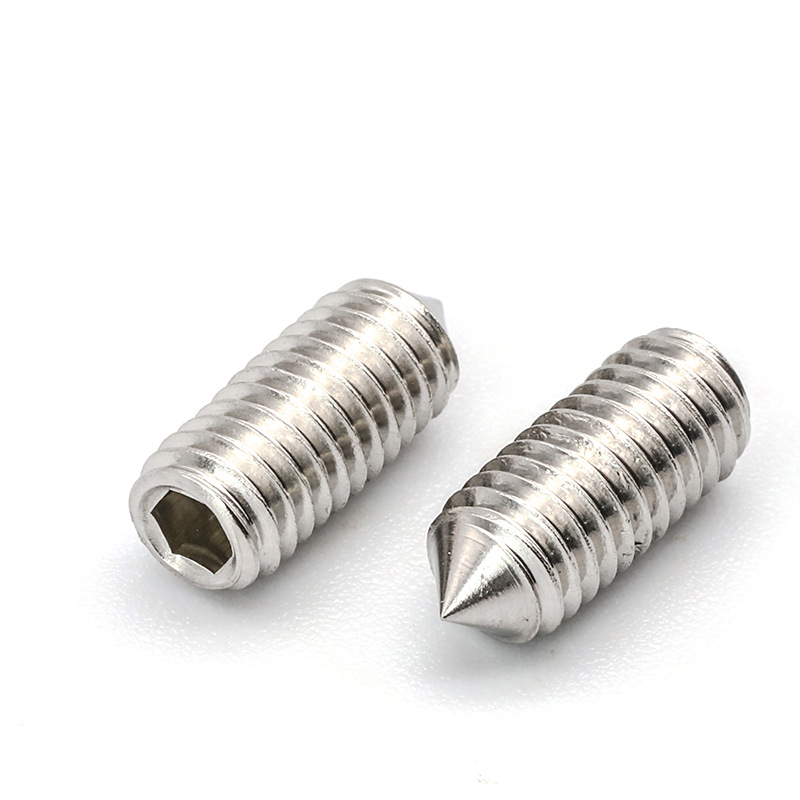
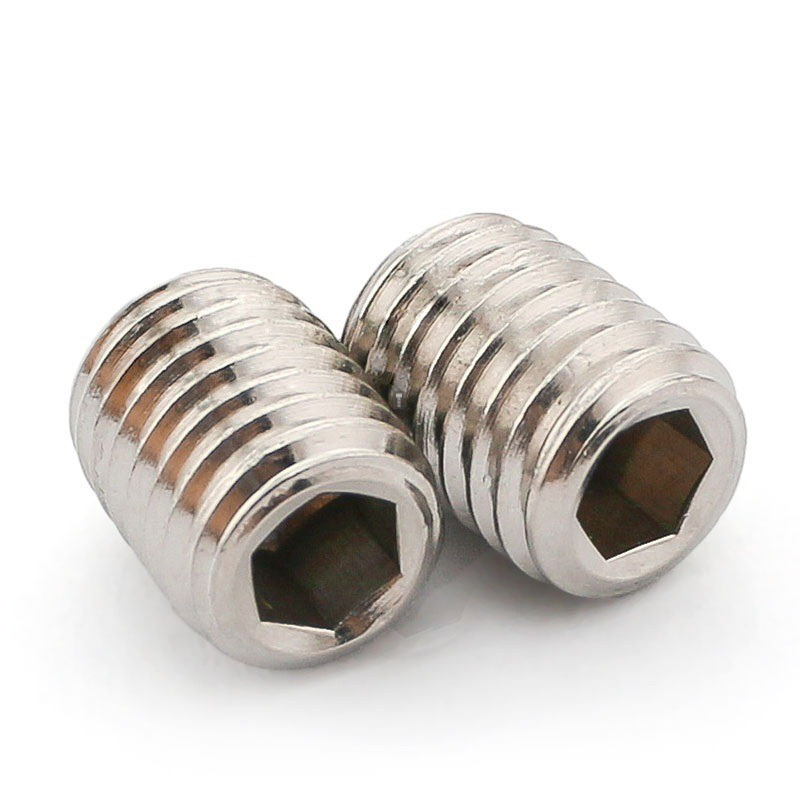
Hexagon socket set screws are generally used to fix the relative position of two parts that are not subjected to force. Common ones include kit parts. There are many types of positioning set screws.
Set screws are divided into: flat end, cone end, concave end, cylindrical end according to the end, and divided into: hexagon socket, slotted, square head, etc. according to the head.
According to the classification of the ends, there are generally the following common scenarios:
a) Cone end: Using its sharp cone to press the contact surface, it is suitable for parts with lower hardness; usually carbon steel set screws have higher hardness, and directly using the cone end to press the workpiece surface is easy to cause indentations on the contact surface. When using a non-pointed cone end, it is necessary to pre-drill a hole on the tightening surface of the part so that the cone surface is pressed on the edge of the pit to increase the ability to transfer loads;
b) Flat end: Its contact surface is a flat end, and it does not damage the surface after tightening, so it is suitable for planes with higher hardness or parts that are frequently adjusted.
c) Concave end: The shaft is mostly fixed with a concave end. The contact surface of the concave end is mostly a cylindrical surface, which can avoid point contact on the contact surface and is suitable for parts with higher hardness.
d) Cylindrical end: It is mostly used to fix on thin-walled parts of pipe shafts. The cylindrical end is pushed into the hole on the shaft, and the shear resistance of the cylindrical end itself is used to transfer a larger load. When using this type of screw, there should be a device to prevent loosening.
Hexagon socket flat end set screws are important and widely used in the field of mechanical assembly. Correct selection and use of hexagon socket flat point set screws are of great significance to improving the quality and safety of mechanical assembly.
1. What is a hexagon socket flat point set screw?
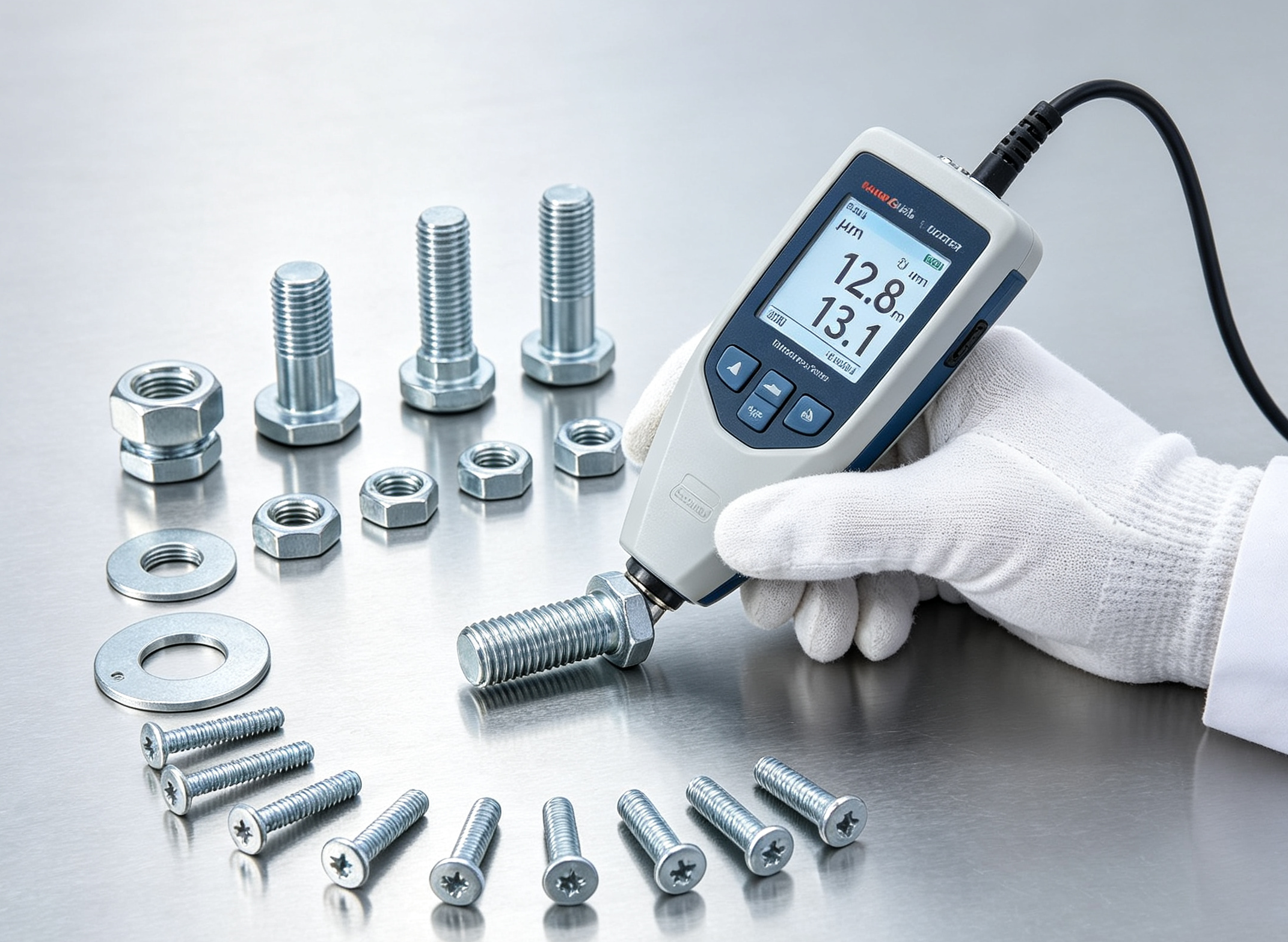
A hexagon socket flat point set screw is a fastener widely used in the field of mechanical assembly. It has a hexagonal head and a flat screw end. The screw is usually made of high-strength alloy steel, and the surface is treated with zinc plating, nickel plating, etc. to improve its corrosion resistance and mechanical properties. The main forms of hexagon socket flat point set screws include nuts, washers, studs and other types, which are suitable for fastening occasions with various strength requirements.
2. Characteristics of Hexagon Socket Flat Point Set Screws
High Strength: Hexagon socket flat point set screws are mainly made of high-strength alloy steel, with high tensile strength, torque resistance and other strength indicators, and can withstand high pressure during mechanical tightening.
Easy to install: The hexagon socket head design is convenient for installation and disassembly, and the six corners can provide better force transmission effect, making operation more convenient and quick.
Good tightening effect: Since the end of the screw is a flat end design, it can provide a larger contact area, thereby increasing the tightening effect and reducing the possibility of loosening.
Good corrosion resistance: The surface of the hexagon socket flat point set screw is treated with zinc plating, nickel plating, etc., which can increase its corrosion resistance and extend its service life.
3. Application of Hexagon Socket Flat Point Set Screws
Hexagon Socket Flat Point Set Screws are widely used in various mechanical assembly fields, especially for occasions with high requirements for tightening strength.
1. Mechanical equipment assembly: In the mechanical equipment assembly in the fields of aviation, aerospace, automobile, and mechanical manufacturing, hexagon socket flat point set screws are often used to fix parts and connect mechanical structures.
2. Electronic equipment manufacturing: In the field of electronic equipment manufacturing, hexagon socket flat point set screws are often used to fix circuit boards and connect various electronic components.
3. Hardware product assembly: In the field of hardware product assembly, hexagon socket flat point set screws are often used for the assembly of furniture, doors and windows, cabinets and other products.
4. Other fields: Hexagon socket flat point set screws are also commonly used in various engineering projects and construction fields, such as fixing steel structures, connecting pipes, and installing equipment.
4. National standard number and specifications of hexagon socket flat end screws
1. National standard number
The national standard number of hexagon socket flat end screws is GB/T 70.1-2000, which belongs to the standard for fasteners for mechanical manufacturing. This standard specifies the model, size, material, performance and other aspects of hexagon socket flat end screws.
2. Common specifications
1). Material: Common materials for hexagon socket flat end screws include carbon steel, alloy steel, stainless steel, etc. Among them, carbon steel hexagon socket flat end screws should meet the requirements of relevant standards such as GB/T 699, GB/T 700 or GB/T 708.
2). Thread specifications: The thread specifications of hexagon socket flat end screws are generally M, MJ, UNC and UNF. Among them, M represents metric thread, UNC and UNF represent imperial thread, and MJ represents shift thread in thread connection method.
3). Size: The size of hexagon socket flat point screws is marked according to the thread diameter (d), nominal length (L) and thread pitch (P). Among them, the accuracy grade of d is 6g, the tolerance grade of L is h, and the tolerance grade of P is 6H. Common sizes include M2, M2.5, M3, M4, M5, M6, M8, M10, M12, M16, etc.
5. How to correctly select and use hexagon socket flat-point set screws?
In order to ensure the effectiveness and safety of hexagon socket flat-point set screws, the following aspects need to be noted:
Choose the correct model and material: According to the use conditions and requirements of the fasteners, select the hexagon socket flat-point set screws of appropriate models and materials to ensure that their tensile strength, torque resistance and other strength indicators meet the requirements.
- Correct installation and removal: Use appropriate tools for installation and removal. Do not use excessive force or use improper tools to avoid damaging the screws.
- Regular inspection and maintenance: Regularly check the tightening status of the hexagon socket flat-point set screws, and promptly maintain or replace them if looseness or wear is found.
- Avoid over-tightening: Reasonably control the tightening force to avoid over-tightening that causes damage to parts or other adverse consequences.