Market Background
Vibration is one of the core factors reducing equipment reliability in industrial automation scenarios. Industry statistics show that vibration-induced failures account for 45% of total downtime in manufacturing, causing approximately 12 billion RMB in annual production losses and maintenance costs. Industrial control equipment (such as PLCs, frequency converters, and industrial PCs) operates in long-term high-vibration environments. Traditional mounting solutions often lead to loose connections, PCB deformation, solder joint cracking, and other issues that directly threaten production continuity. As industrial equipment evolves toward miniaturization and high-density integration, requirements for the accuracy, strength, and vibration resistance of connecting components have increased significantly, making metal threaded standoffs a critical solution to such pain points.
Customer & Application Scenarios
Target Customer
A leading domestic manufacturer of industrial automation equipment, specializing in PLC control cabinets and motion control modules. Its products are widely used in automotive manufacturing, intelligent production lines, construction machinery, and other fields, with extremely high demands for long-term equipment reliability and low failure rates.
Application Scenarios
- Automotive welding production lines: Equipment operates under continuous high-frequency vibration (5–500Hz), where PCBs inside control cabinets are prone to signal abnormalities caused by vibration displacement.
- Heavy machinery control boxes: Subjected to high temperatures, humidity, and dust, requiring connectors with corrosion resistance and high stability.
- Distributed control systems in smart factories: High-density module assembly requires precise spacing to prevent short circuits and poor heat dissipation.
Our Solution (Including Key Technical Parameters)
Core Product
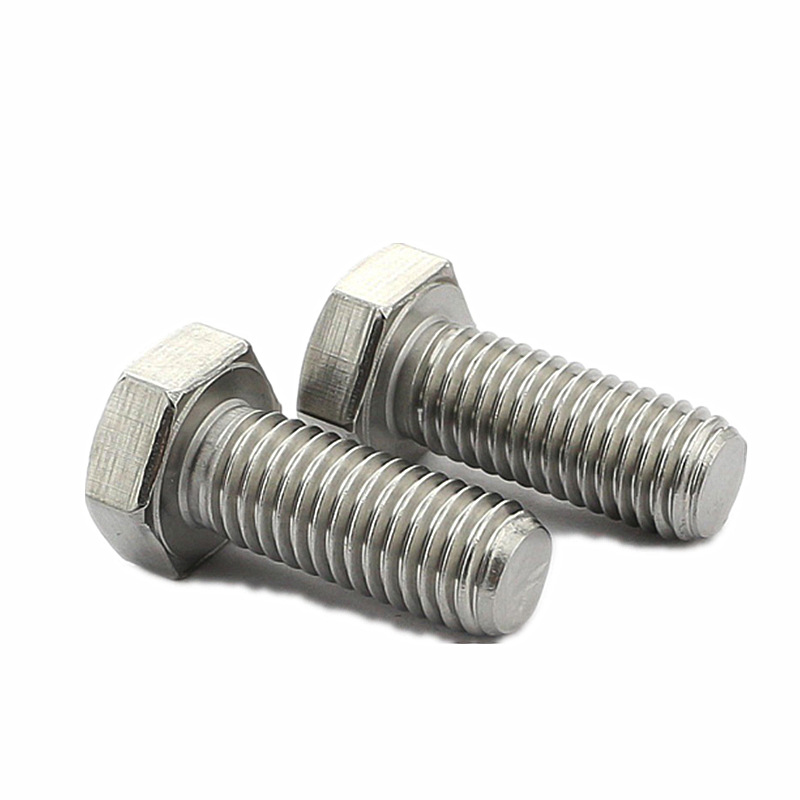
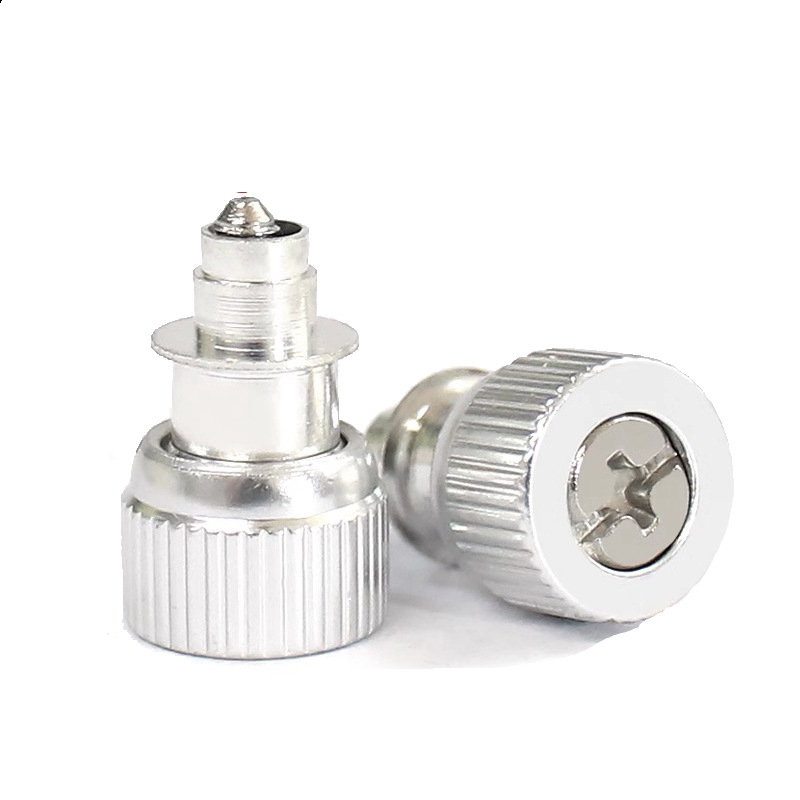
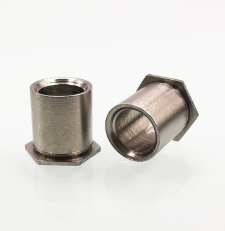
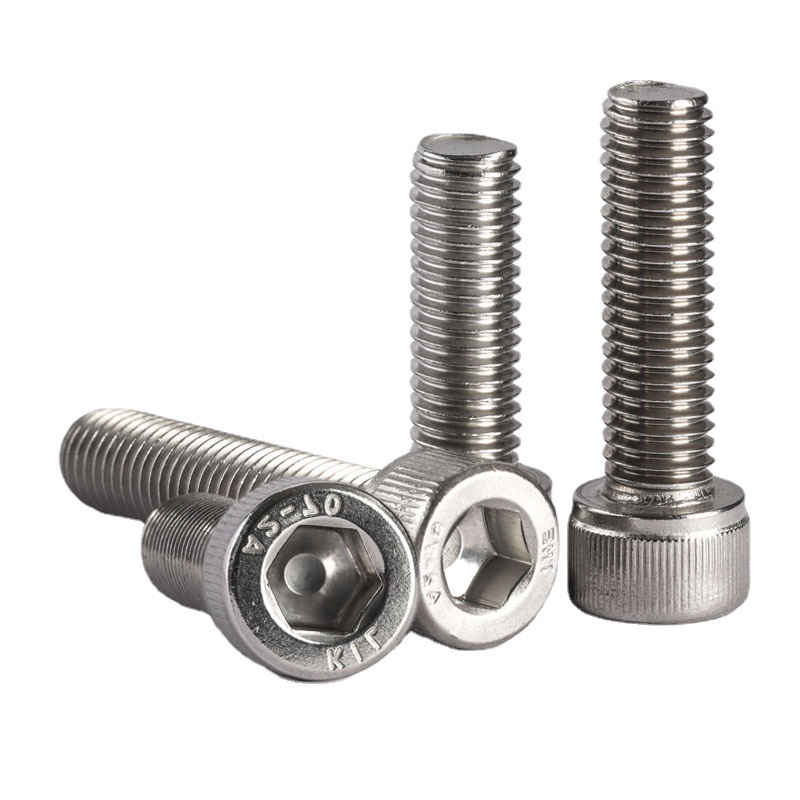
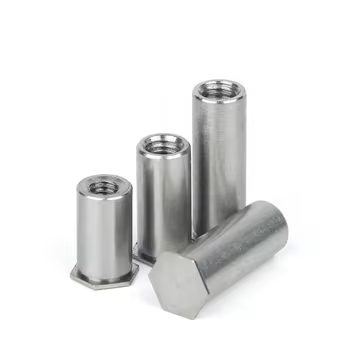
TSO/TSOA series self-clinching metal threaded standoffs, specially designed for thin sheet installation, suitable for thin sheets as thin as 0.025 inches (approx. 0.635mm). They achieve permanent fixation after press-fit installation without additional welding or bolt locking.
Key Technical Parameters
- Material: Carbon steel / 304 stainless steel / brass; stainless steel tensile strength ≥ 520MPa, brass with excellent thermal conductivity for various working conditions
- Surface Treatment: Zinc plating / passivation / nickel plating; corrosion resistance grade reaches 500 hours of neutral salt spray without red rust, adapting to harsh industrial environments
- Thread Precision: Tolerance class 6H/6g; thread fitting clearance ≤ 0.02mm, ensuring even preload distribution and reduced stress concentration
- Load Capacity: Static load ≥ 25kgf, dynamic load ≥ 15kgf, meeting structural support requirements under long-term equipment vibration
- Installation Method: Press-fit type (suitable for round holes φ3–φ8mm); installation efficiency improved by 30%, no special equipment required, compatible with automated production lines
- Size Range: Length 5–50mm, metric and imperial standards available, flexibly adapting to different PCB thicknesses and module spacing requirements
Solution Advantages
- Anti-vibration Design: High-precision threads and wedge-shaped tooth structure, anti-loosening friction force more than 3 times that of ordinary threads; preload attenuation rate ≤ 5% in vibration environments (industry average ≥ 20%).
- Precise Spacing Control: Standardized threads and precision machining ensure PCB-to-chassis spacing error ≤ ±0.05mm, avoiding short circuits and heat accumulation.
- Full Environment Adaptability: Combined material and surface treatment enable stable operation in a wide temperature range of -40℃ to +120℃, with corrosion and impact resistance.
- Improved Assembly Efficiency: Self-clinching structure eliminates tapping needs; single-piece installation time ≤ 3 seconds, suitable for mass production.
Customer Feedback
Over a 12-month cooperation period, the customer replaced the original plastic standoffs and ordinary bolt solutions with our TSO/TSOA series metal threaded standoffs in more than 50 automotive welding line control cabinets.
Quantitative Results
- Vibration-related equipment failure rate decreased from 1.2% to 0.08%, a drop of 93%.
- Mean Time Between Failures (MTBF) of control cabinets increased from 80,000 hours to 180,000 hours, an improvement of 125%.
- Maintenance costs reduced by 40%, saving approximately 850,000 RMB in annual labor and spare parts expenses.
- Production line downtime decreased by 35%, and Overall Equipment Effectiveness (OEE) increased by 8%.
Customer Comment
“After replacing the standoffs, the positioning deviation issues on the welding line have been completely resolved, and equipment operational stability has been significantly enhanced. The high strength and anti-vibration performance of the metal threaded standoffs fully meet our strict working condition requirements. We will adopt this solution across all new production lines.”
— Engineering Manager, Customer Equipment Department