The chemical composition of SUS416 stainless iron

Table of Contents

Brief introduction

SUS416 is martensitic stainless steel, commonly known as stainless iron, has a certain corrosion resistance, the domestic brand is Y1Cr13, is the best stainless steel in easy cutting performance.

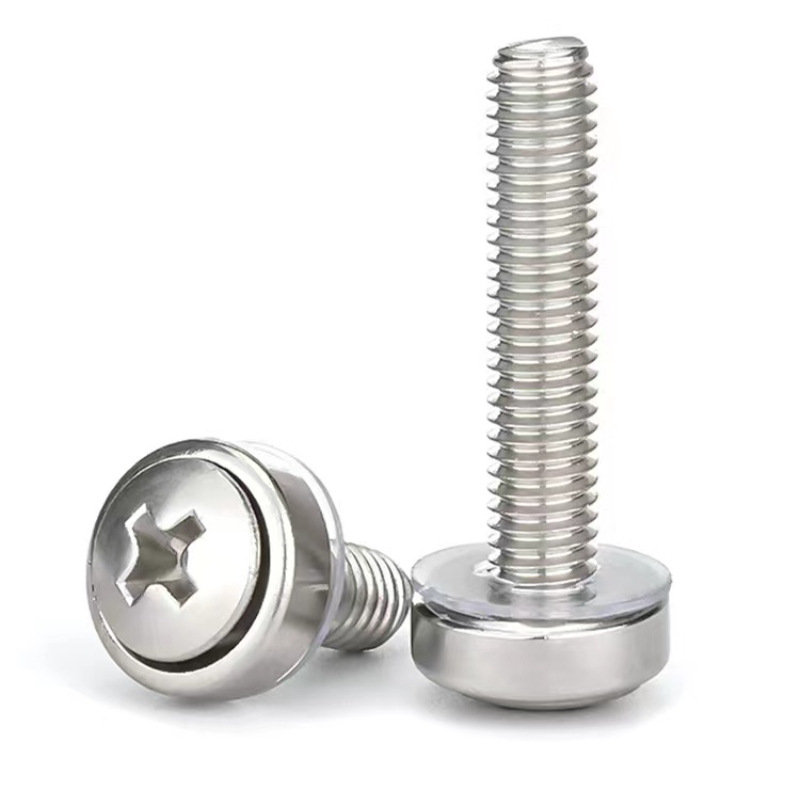
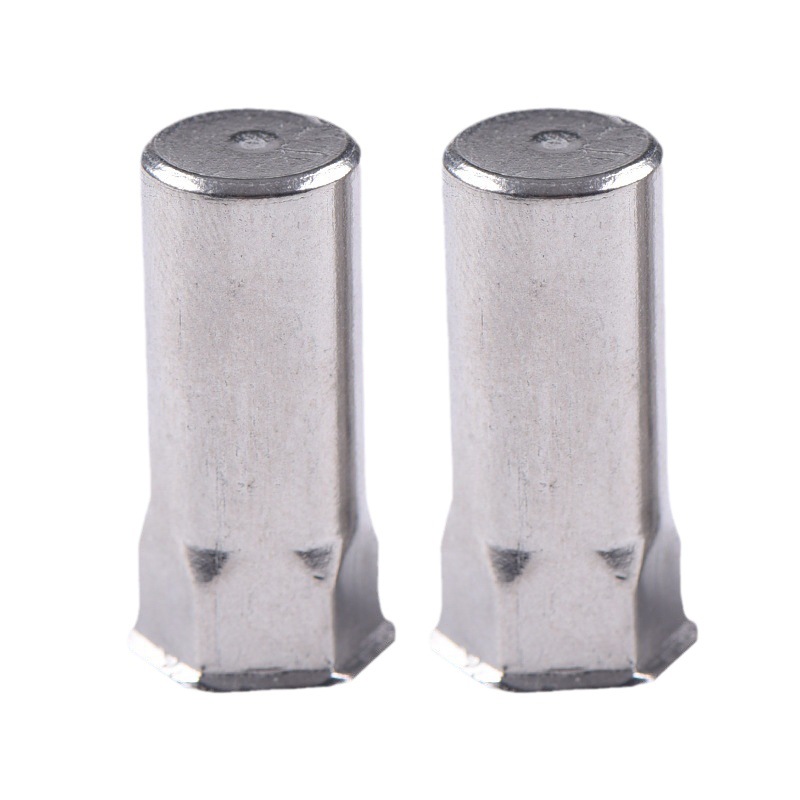
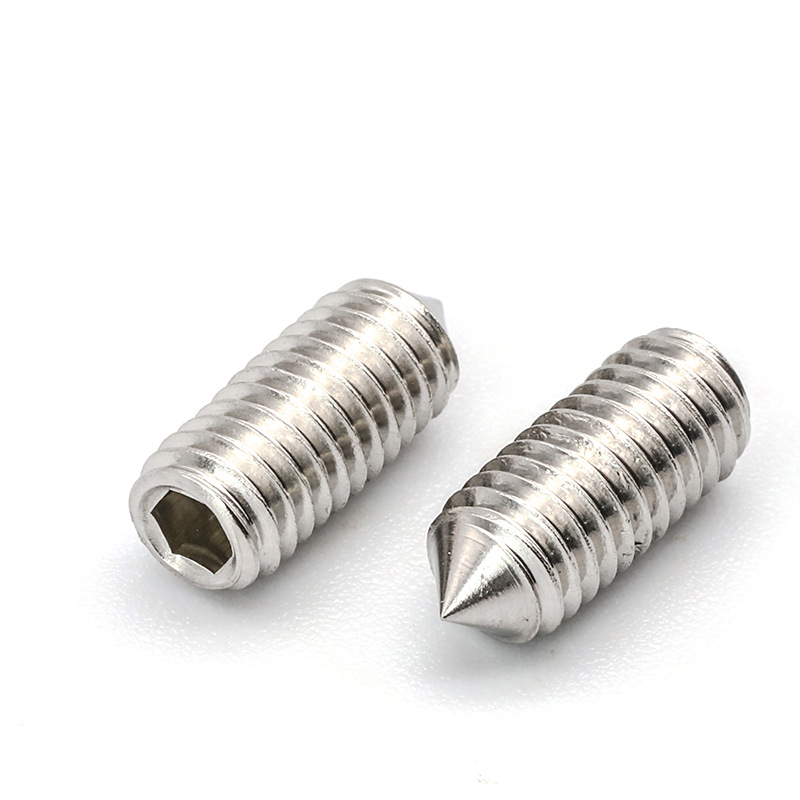
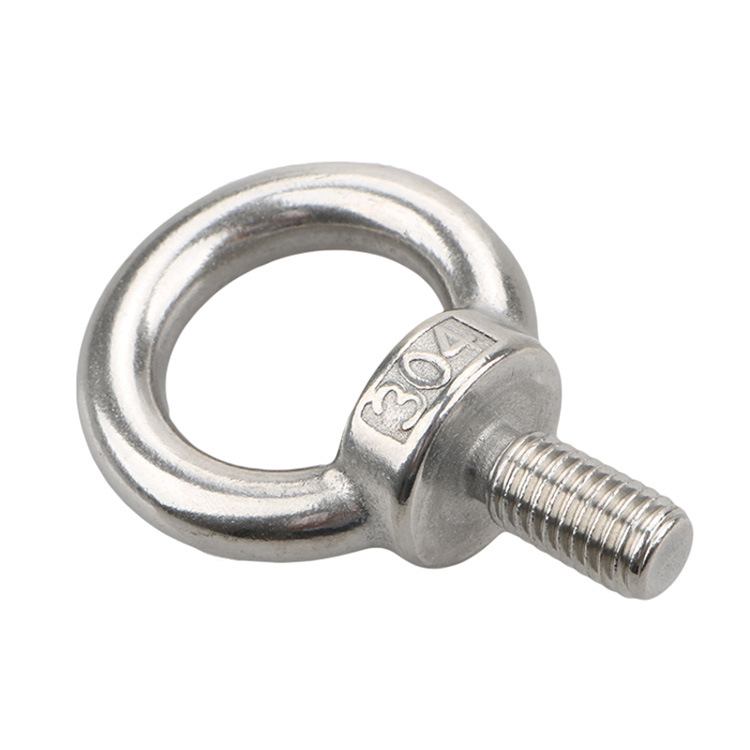
416 stainless steel belongs to a kind of chromium stainless steel, high chromium content, but also contains sulfur elements. Stainless steel is often used in the manufacture of various mechanical parts, such as bolts, nuts, bearings and so on. It has good processing performance, easy cutting and grinding, so it is widely used in the field of mechanical processing.

Compared with other stainless steel materials, 416 stainless steel main biggest advantage is: after heat treatment can obtain higher hardness, which is 300 series stainless steel does not have; The disadvantage is: the corrosion is slightly inferior to other stainless steel types such as 304, but after blunt 416 stainless steel its neutral salt spray test can reach 48 hours.

The chemical composition of 416

Item Carbon (C) Manganese (Mn) silicon(Si) Phosphorus (P) Sulfur (S) Nickel (Ni) Molybdenum (Mo) Chromium (Cr)
SUS416 ≤0.15 ≤1.25 ≤1.00 ≤0.060 ≤0.15 ≤0.60 ≤0.60 12.00~14.00

The physical properties of 416

Mechanical properties of SUS416 stainless steel:

ensile strength σb (MPa) : quenching tempering, ≥540;

Conditional yield strength σ0.2 (MPa) : quenching and tempering, ≥343;

Elongation δ5 (%) : quenching and tempering, ≥25;

Section shrinkage ψ (%) : quenching and tempering, ≥55;

Impact work Akv (J) : quenching and tempering, ≥98;

Hardness: annealing, ≤200HB; Quenching and tempering, ≥159HB.

SUS416 stainless steel heat treatment specification:

Annealing, 800 ~ 900℃ slow cooling or about 750℃ quenching;

Quenching, 950 ~ 1000℃ oil cooling;

Tempering, 700 ~ 750℃ rapid cooling.

SUS416 stainless steel microstructure:

The tissue is characterized by a Martensite pattern.

Picture of Dongguan Aotuo

Dongguan Aotuo

Get In Touch
Welcome To Share This Page:
Product Categories
Latest News
Get A Free Quote Now !
Contact Form Demo (#3)

Related Products

Related News

1. Introduction: The Hidden Danger in Plated Fasteners Hydrogen embrittlement is one of the most serious and frequently misunderstood failure mechanisms in the fastener industry.

EElectro galvanizing—also known as zinc electroplating—is one of the most widely adopted surface finishing technologies.This article provides a professional, in-depth analysis of the complete electro

1. Overview of the Zinc Electroplating Process The complete zinc plating process can be divided into three main stages–: Pre-treatment — Removing rust, scale, grease, and

1. Introduction: The Mystery of Black Spots in Salt Spray Testing In the fastener industry, Neutral Salt Spray (NSS) testing is the universal benchmark for verifying the

Part 1: Measurement Systems in Fastener Industry In the global fastener industry, two primary measurement systems are widely used: the Metric system and the Imperial

1.The Most Widely Used Socket Screw in Modern Industry:DIN912 hexagon socket head cap screw Among all precision fasteners, the DIN912 Hexagon Socket Head Cap Screw — commonly

Introduction: Why SUS304 Remains the Most Widely Used Stainless Steel SUS304 stainless steel Among all stainless steel grades as the undisputed industry leader. Often synonymously

For field engineers and maintenance crews working with outdoor electrical cabinets, communication enclosures, and power distribution panels, fasteners face a dual threat: corrosion from humidity

The Engineering Challenge: Cyclic Stress and Fatigue Automotive engine assemblies – including cylinder heads, main bearing caps, and connecting rods – rely on threaded studs

Get A Free Quote Now!

If have any requests, please feel free to contact us, we will be eager to serve you.

Scroll to Top

Get A Free Quote Now !

Contact Form Demo (#3)