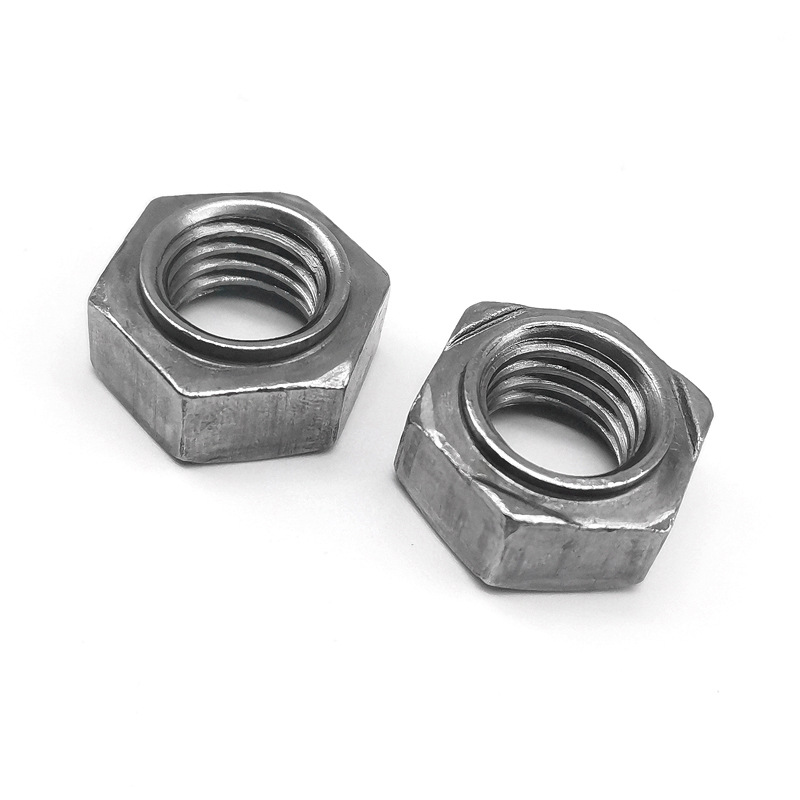
1. Nuts and their classification
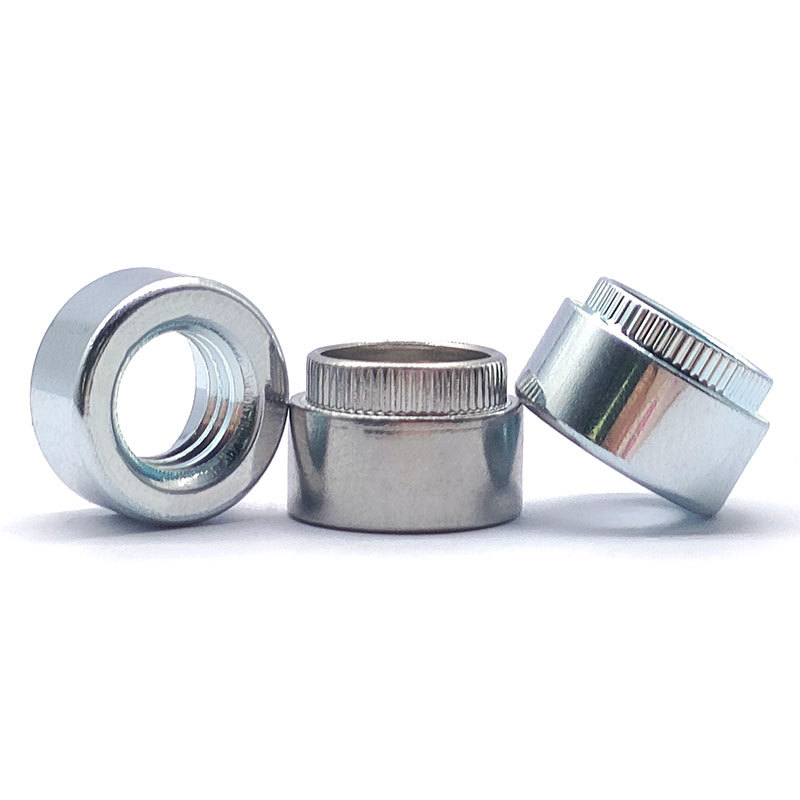
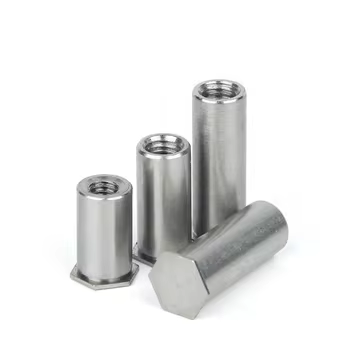
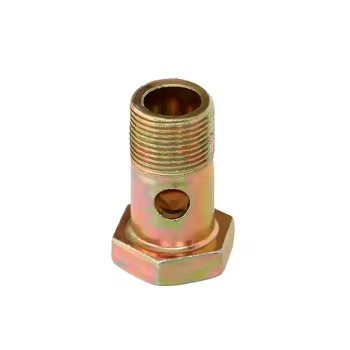
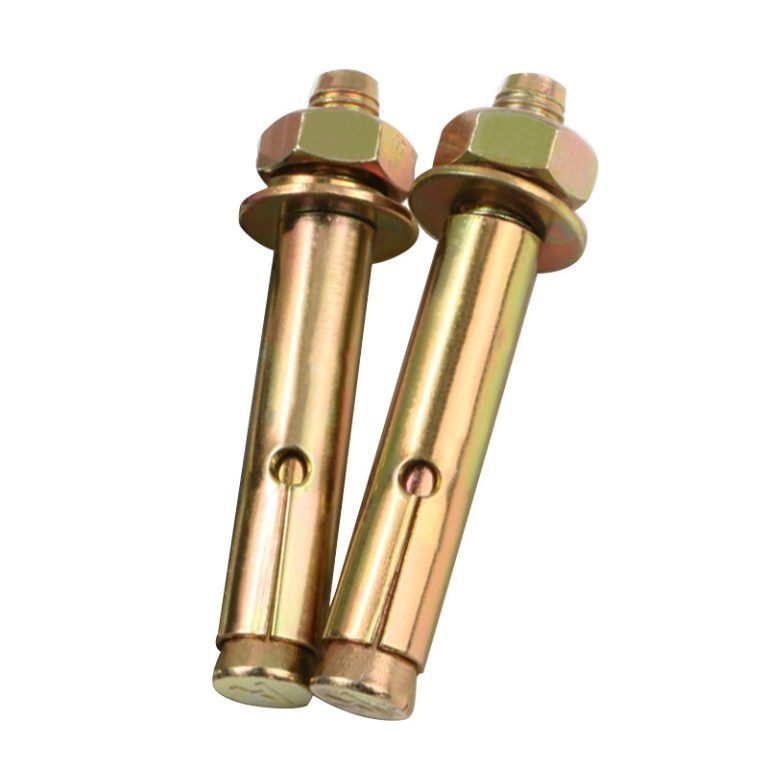
Nuts are also screw caps. They are parts that have a tightening function when used with bolts and screws. They are essential parts for the production, processing and manufacturing of mechanical equipment. There are many types of nuts, which can be divided into carbon steel, high-strength steel, stainless steel, plastic steel, etc. according to the material. According to product attributes and national differences, the standard numbers are divided into ordinary, non-standard, old national standards, new national standards, the United States, the United Kingdom, Germany, etc.
Hexagonal nut thickness, hexagonal nuts are divided into type I, type II and thin. Nuts greater than grade 8 can be divided into grade I and grade II.
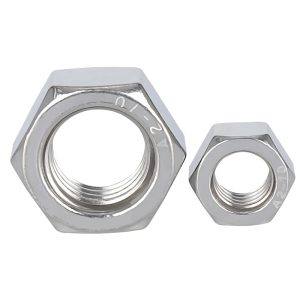
Hexagonal nuts are the most widely used. Type I is divided into three grades: A, B, and C. Grade A and B nuts are suitable for mechanical equipment, facilities, and structural characteristics. They have small surface roughness and high precision requirements and can be adapted to mechanical equipment or structures. Type II hexagonal nuts are thick and can be used in situations where disassembly and assembly are required from time to time.
2. Standard nuts
GB41I hexagonal nut: Class C
GB6170I hexagonal nut: Class a, b
GB6171I hexagonal nut: Fine teeth Class A, B
GB6172 hexagonal thin nut: Class A, B chamfer
GB6173 hexagonal thin nut: Class A, B fine teeth
GB6174 hexagonal thin nut Class B without chamfer
GB6175 hexagonal nut: Class A, B
GB6176II hexagonal nut: Class A, b fine teeth
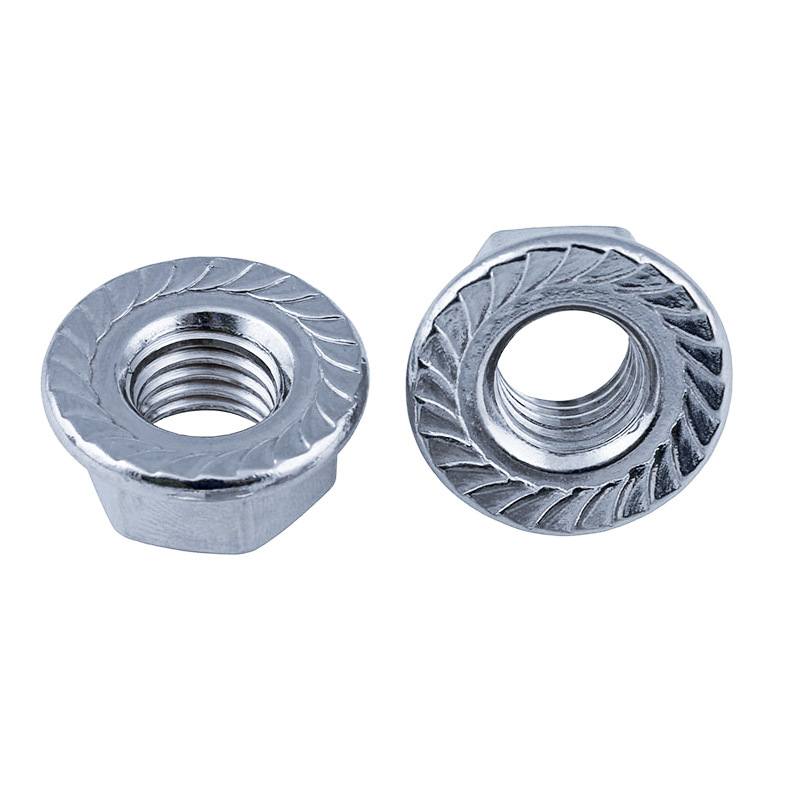
GB6177 hexagonal flange nut: A
GB55 thick hexagonal nut
GB56 extra thick hexagonal nut
GB1229 large hexagonal nut (for high-strength steel structures)
3. Material classification
Metric bolt grades: 4.6; 4.8; 5.8; 6.8; 8.8; 9.8; 10.9; 12.9
Metric nut grades: 4; 5; 6; 8; 10; 12; 4; 5; 5; 5; 5 is the strength grade of the nut
The performance index levels of A, B, C nuts and American G2, G5, G8 are basically the same as those specified in J995
The thread grade of I-type nuts is M1.6~M64, and the performance indexes are divided into 6; 8; 10; A2-50; A2-70; A4-50; A4-50; A4-50; A4-50; A4-70; CU2; CU3 and AL4; A and B grades are product grades; M16 is A-grade product specification; and those larger than M16 are B-grade specifications! (Here A refers to; B refers to accuracy); Type II nut thread specifications are M5~M36, its performance indicators are divided into 9 and 12 grades, products are divided into A and B grades, M16 is A grade product specifications; and those larger than M16 are B grade specifications! (Here A refers to; B refers to accuracy); The performance index levels of thick bolts with No. 2 bolts and nuts with higher performance index requirements are divided into 3.6, 4.6, 4.8, 5.6, 6.8, 8.8, 5.6, 6.8, 8.8, 5.6, 6.8, 8.8, 10.9, 12.9, 12.9, etc. These multi-bolt materials are low-carbon alloy steel or medium-carbon steel, which are heated (quenched and tempered) and are collectively called high-strength bolts. Ordinary bolts refer to others.
How to match the grades of screws and nuts? If the bolt is grade 8.8, what grade of nut should be used?
Metric bolt grades: 4.6; 4.8; 5.8; 6.8; 8.8; 9.8; 10.9; 12.9
Metric nut grades: 4; 5; 6; 8; 10; 12
4. What is the significance of 8.8 grade bolts and 4 grade nuts?
Among them, 8.8 and 4 are not reasonable. Generally, the decimal after removing the bolt grade is also the nut grade. 8.8-grade bolts are matched with 8-grade nuts, and 10.9-grade bolts are matched with 10-grade nuts. That is, the strength grade of bolts and nuts is the same (bolts 8.8 and nuts 8 have the same strength grade, because the “.8” after the bolt represents 80% of the yield strength). However, considering the use status, such as when it is inconvenient to replace nuts and it is more convenient to replace bolts, it can also be converted to bolts 4.8 and nuts 5.
In some states, the strength of nuts is slightly worse than that of bolts. The main problem is that the damage of bolts is generally not easy to detect, and they are damaged occasionally without reason, while the damage of nuts is more convenient. In addition, safety should also be considered to ensure that the service life of bolts in supporting applications is longer than that of nuts. In addition, the cost of replacing fasteners is lower and more convenient.