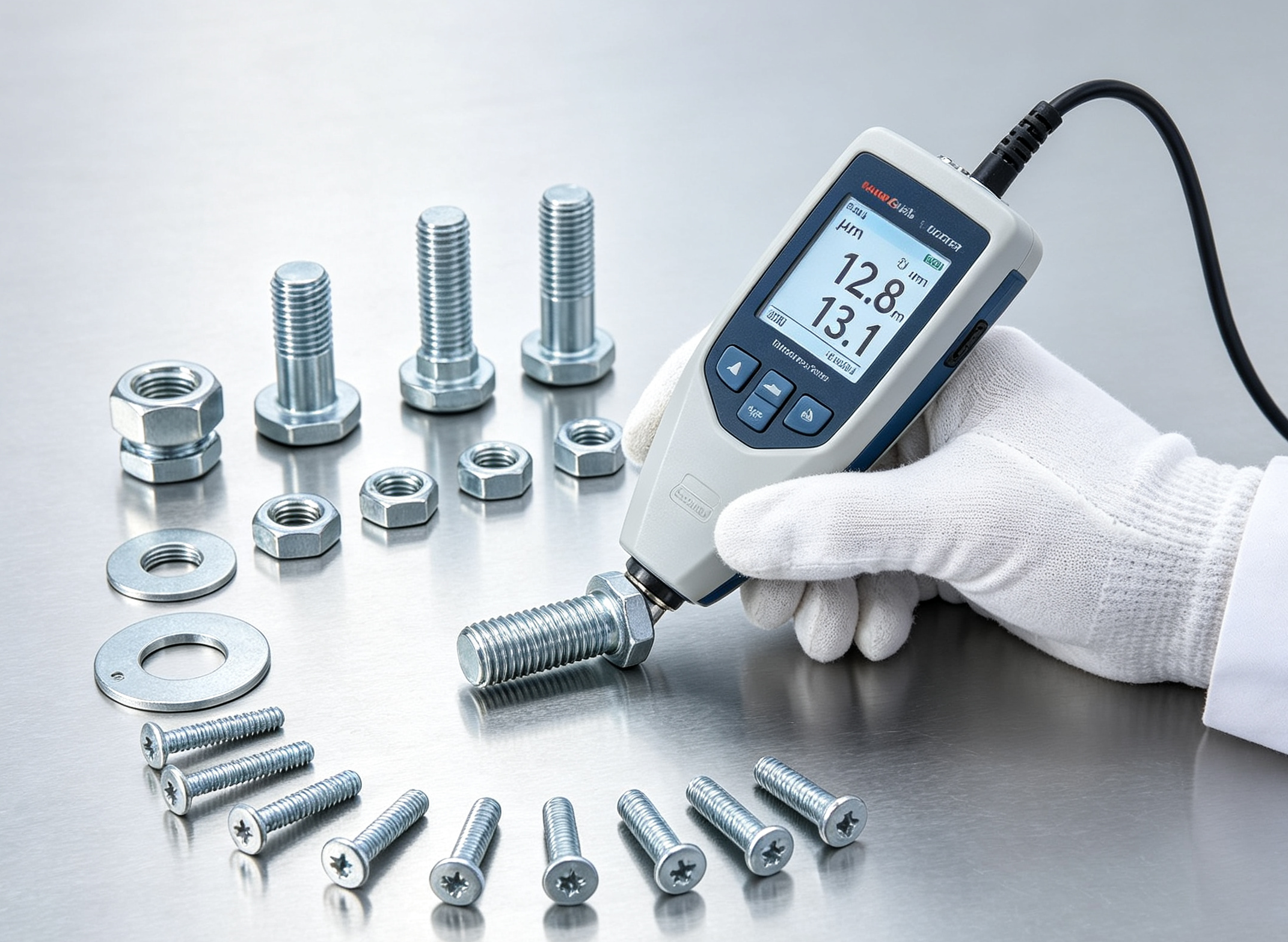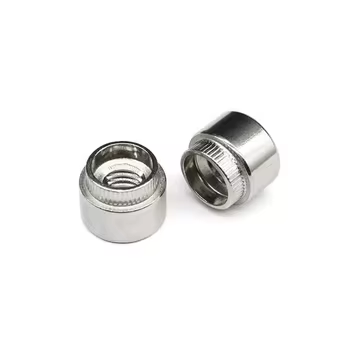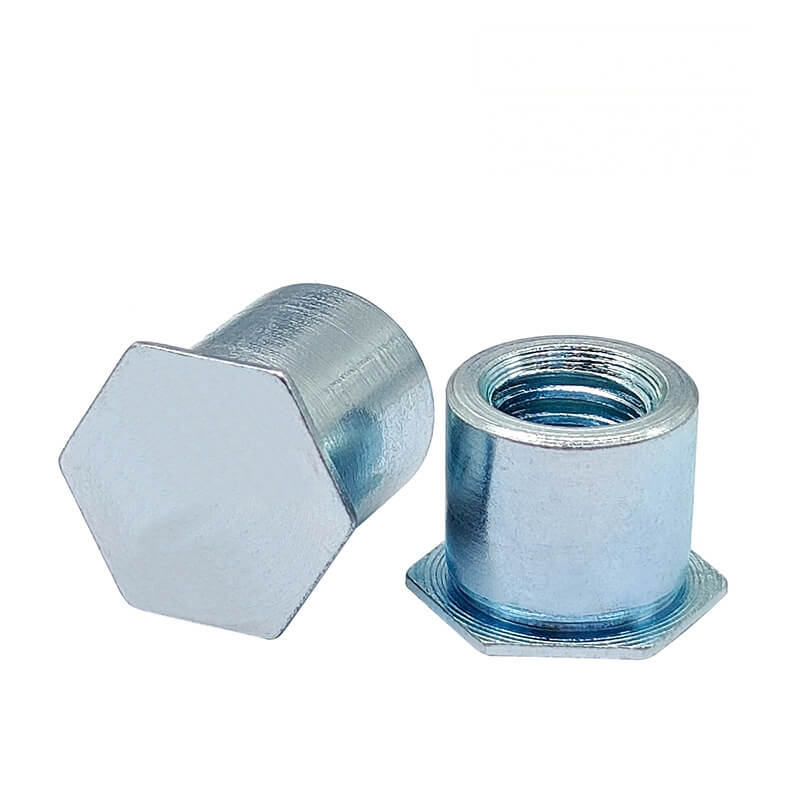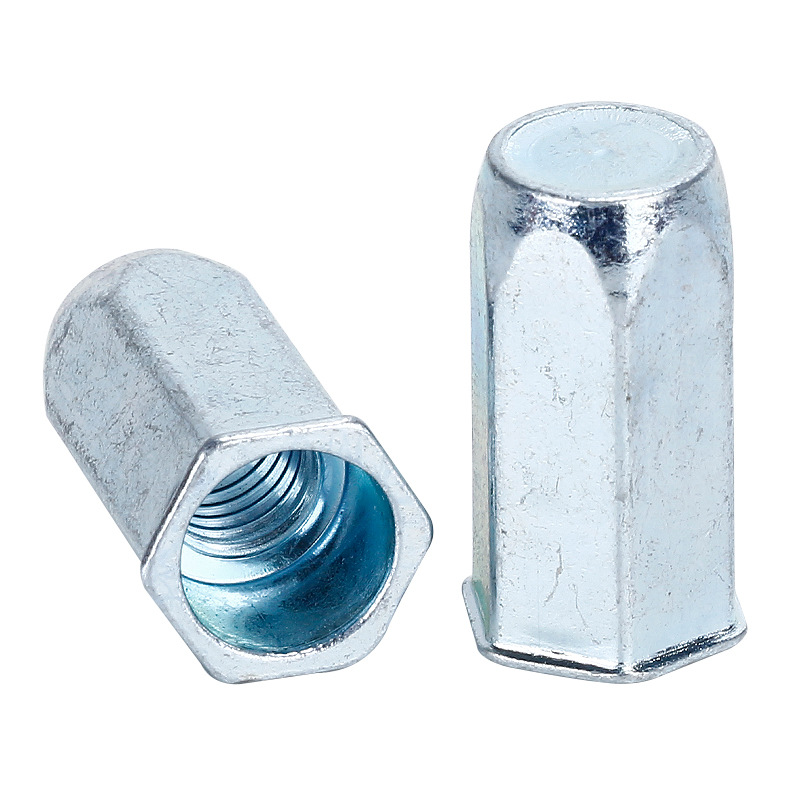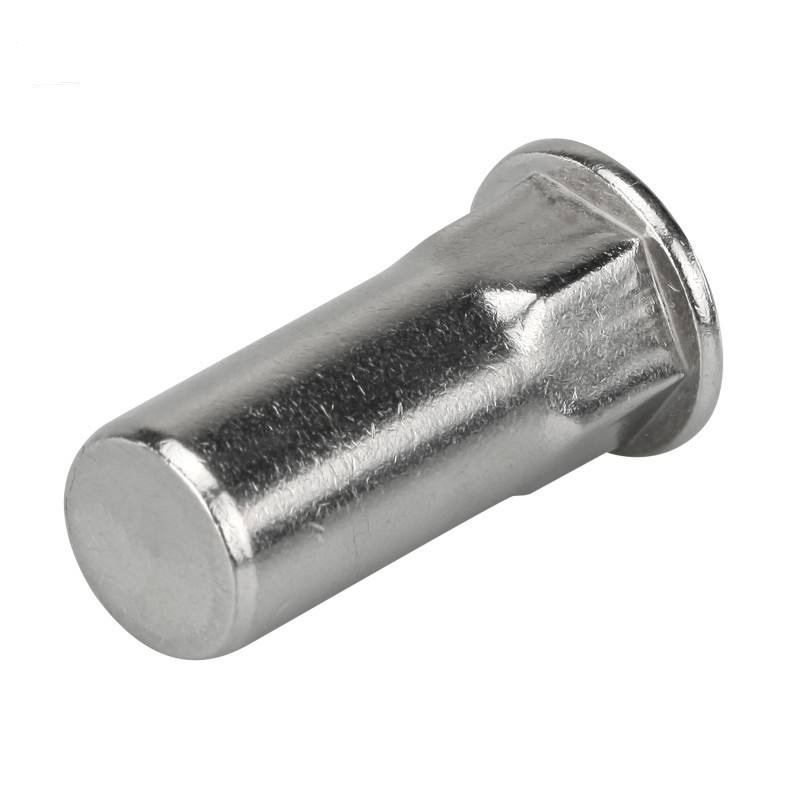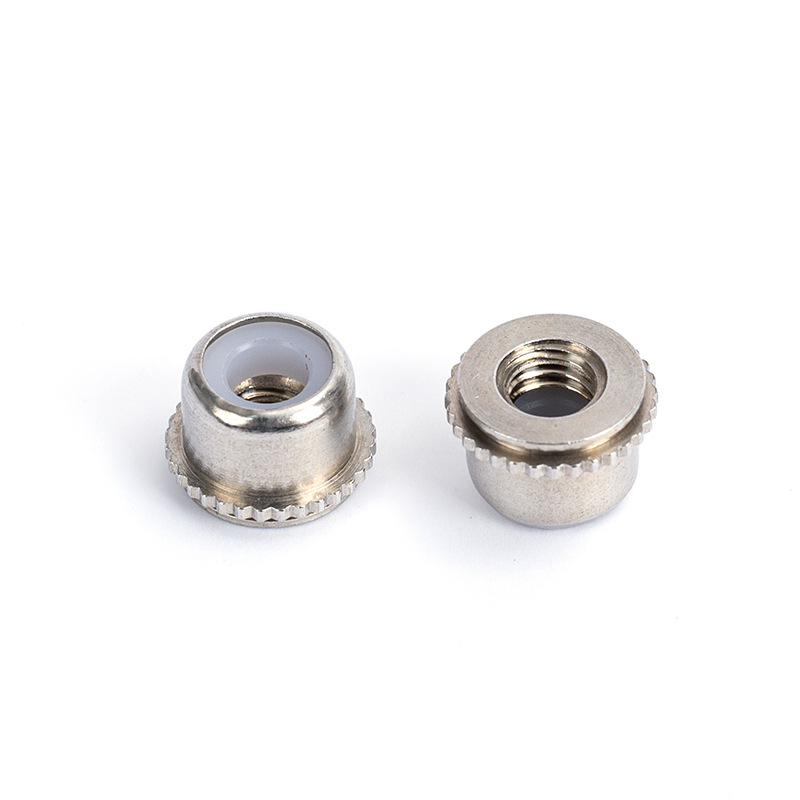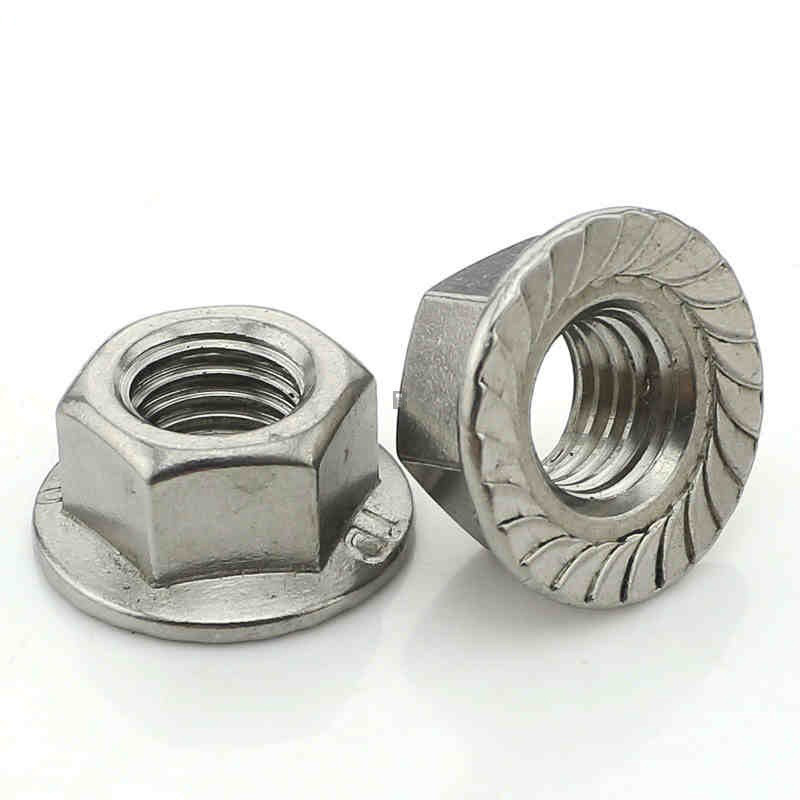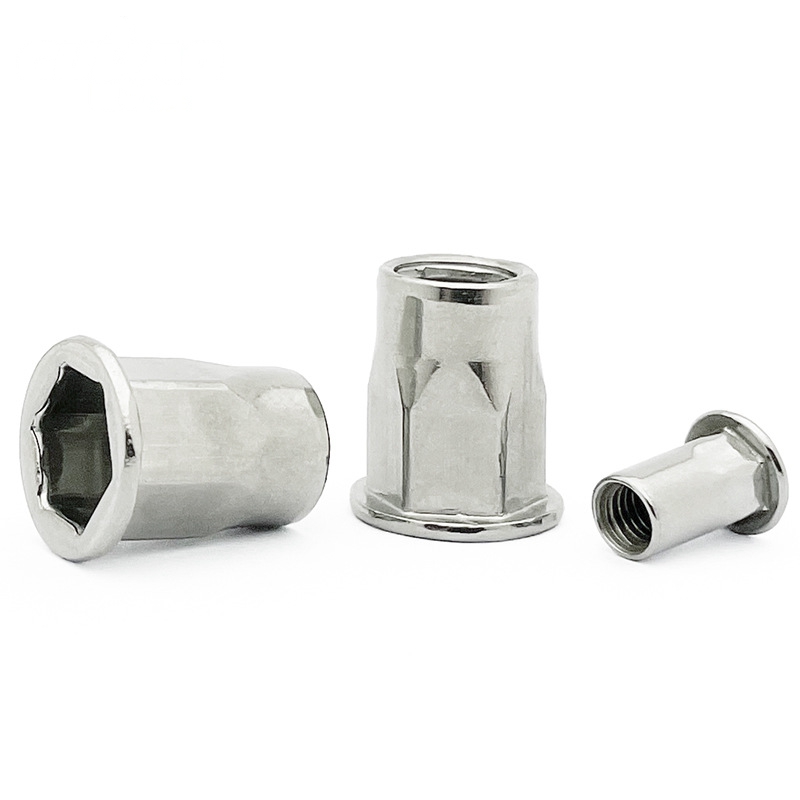
Fasteners are a general term for a type of mechanical parts used to fasten two or more parts or components into a whole. They are known as the “rice of industry” and have a wide range of applications. The following are some of the main application areas:
1. Automobile industry: Automobile manufacturing requires a large number of fasteners, such as bolts, nuts, screws, etc., which are used to connect various parts of the car, including the engine, chassis, body, interior, etc. A car uses hundreds of types of fasteners, and the number can reach thousands. According to incomplete statistics, there are a large number of fasteners used in cars. For example, a mobile phone uses up to 70 screws; a car uses up to 580 types of fasteners, and the number can reach 5,000.
2. Mechanical manufacturing: In the manufacture of various mechanical equipment, fasteners play a key connecting role, such as machine tools, cranes, conveyors, printing presses, etc.
3. Energy field: including new energy fields such as wind power and nuclear power as well as traditional fields such as oil and natural gas. For example, towers, blades and other components in wind power equipment require high-strength fasteners to ensure the stability of the connection. According to estimates, with the steady growth of new wind power installations worldwide, the market demand for embedded screw sleeves, complete machine bolts, and anchor assembly fasteners is expected to reach 7.93 million embedded screw sleeves, 60.32 million complete machine bolts, and 28,723 sets of anchor assemblies in 2025, and the market demand is stable.
4. Electronic and electrical industry: used for the assembly of electronic equipment, household appliances and other products, such as computers, televisions, refrigerators, washing machines, etc.
5. Construction industry: widely used in the structural connection and decoration of buildings, such as the connection of steel beams, the installation of doors and windows, etc.
6. Rail transit: including railway locomotives, subway vehicles, etc., the laying of tracks and the installation of internal equipment of vehicles are inseparable from fasteners. The number of fasteners used in a medium-sized passenger plane can reach 3 million pieces, and the total weight can reach 3 tons.
7. Shipbuilding: used to connect various structures and equipment of ships, and must withstand the test of the marine environment.
8. Aerospace: This field has extremely high requirements for the quality and performance of fasteners, because they are related to the safety and reliability of aircraft.
9. Industrial equipment: Various fasteners are needed in the manufacturing and installation of large industrial equipment such as chemical equipment, power equipment, and mining equipment.
10. Instruments and meters: To ensure the accuracy and stability of instruments, some high-precision instruments also have strict requirements on fasteners.
In short, fasteners are everywhere in modern industry and life. Although they usually occupy a small volume and cost in mechanical equipment, they play a vital role in the operation and performance of the entire system. They are characterized by diverse specifications, different performance and uses, and are standardized, serialized and highly versatile. Different fields and working conditions have different requirements for the material, strength, corrosion resistance, etc. of fasteners, so there are many types of fasteners to meet various specific usage needs.